






What's Happening?
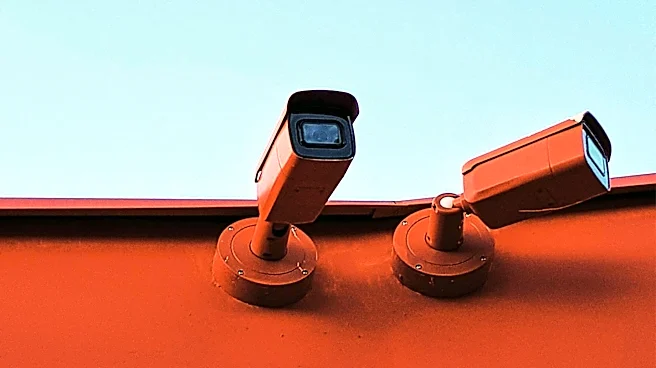
Stanford University has decided to discontinue its use of Flock cameras and has contracted with Genetec Cloudrunner for a new license plate reader system. This change comes amid growing concerns about privacy and data access associated with Flock cameras,
which have been criticized for allowing law enforcement to access images from other agencies. The new system at Stanford is designed to be used solely within the institution, with data stored temporarily on a cloud server before being transferred to a Stanford-controlled server. The university had previously used the Flock system to solve various crimes, including thefts on campus.
Why It's Important?
The decision by Stanford University to replace Flock cameras highlights ongoing privacy concerns related to surveillance technology. This move reflects a broader trend where institutions are reevaluating their use of such systems to balance security needs with privacy rights. The change could influence other universities and communities to reconsider their surveillance strategies, potentially impacting the market for surveillance technology providers. Stakeholders in privacy advocacy and law enforcement may find themselves at odds as they navigate the implications of such technological shifts.
What's Next?
Stanford's transition to the new system may prompt other institutions to follow suit, especially those facing similar privacy concerns. The university will likely monitor the effectiveness of the Genetec Cloudrunner system in maintaining campus safety while safeguarding privacy. The outcome of this transition could influence future policy decisions regarding surveillance technology in educational settings.