







What's Happening?
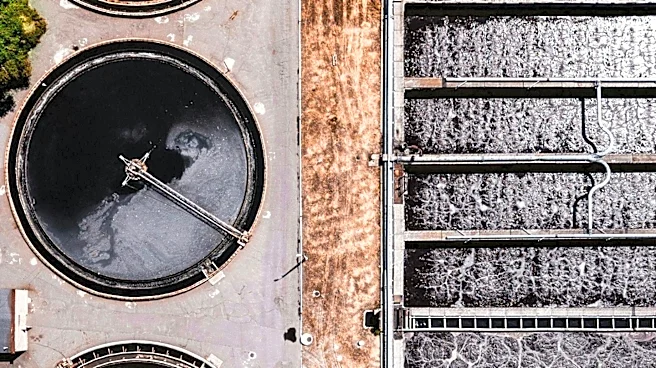
Representative Zach Nunn (IA-03) announced a $2 million federal investment to replace Minburn's aging water infrastructure. This funding addresses the city's 70-year-old water system, which has experienced frequent line breaks, leading to boil orders
and hindering emergency response capabilities. The investment aims to provide a long-term solution to these infrastructure challenges. The announcement was made alongside U.S. Department of Agriculture Under Secretary Glen Smith, Minburn Mayor Joe Stuelterberg, and other state and local leaders. This initiative is part of broader efforts by Representative Nunn to improve water quality and infrastructure across Iowa, including securing provisions in the House-passed Water Resources Development Act of 2026 and the PERMIT Act, as well as funding for a real-time flood and drought monitoring network in Iowa's Third District. USDA Rural Development Iowa State Director Mike Sexton noted that this investment aligns with the Administration's vision to drive strategic infrastructure investments in rural communities.
Why It's Important?
This $2 million federal investment is crucial for the health and safety of Minburn residents, ensuring access to reliable and clean drinking water. The previous state of the water system posed significant public health risks due to frequent line breaks and boil orders, and also compromised the effectiveness of emergency services like firefighting. Beyond Minburn, this initiative underscores a broader commitment to addressing water infrastructure and quality issues across Iowa. By securing funding for a real-time flood and drought monitoring network, Representative Nunn is providing critical information to farmers, first responders, and local leaders, enabling better preparation for severe weather events. The focus on state-led pilot programs for water quality projects and increased federal cost-share assistance for watershed rehabilitation also highlights a strategy to empower local communities and protect vital water sources like Saylorville Reservoir and Rathbun Lake, which serve tens of thousands of Iowans. These efforts aim to create a more resilient and sustainable water system for the entire state.
What's Next?
The $2 million federal investment is currently being distributed to replace Minburn's aging water lines, with the project expected to provide a long-term solution to the city's infrastructure challenges. Representative Nunn plans to continue advocating for Iowa-led water quality solutions, including promoting a clear, consistent statewide approach to emerging mobility devices as part of the Iowa Bicycle Coalition's 2027 legislative strategy. This statewide approach aims to improve safety, provide clearer guidance for communities and law enforcement, and protect the rights of people using bicycles and legal e-bikes. Additionally, the secured funding for the real-time flood and drought monitoring network will be implemented across all 21 counties in Iowa’s Third District, providing ongoing data for weather preparedness. The provisions secured in the House-passed Farm Bill will also strengthen watershed resilience by increasing federal cost-share assistance for rehabilitation and allowing damaged infrastructure to be rebuilt stronger after natural disasters.
Beyond the Headlines
The investment in Minburn's water infrastructure and the broader water quality initiatives in Iowa reflect a growing national recognition of the critical need to upgrade aging infrastructure, particularly in rural communities. This effort highlights the complex interplay between federal funding, state-led solutions, and local community needs. The emphasis on a 'Farm to Faucet' approach, as mentioned by Iowa Secretary of Agriculture Mike Naig, signifies an integrated strategy that addresses both agricultural conservation practices to reduce runoff and the modernization of drinking water systems. This holistic view acknowledges that water quality is not solely an urban or rural issue but a interconnected challenge requiring collaborative solutions. The involvement of various stakeholders, from federal agencies like the USDA to local leaders and engineering firms, demonstrates a multi-faceted approach to ensuring public health, economic stability, and environmental sustainability. The long-term implications include enhanced community resilience against climate-related events and improved quality of life for residents.