







What's Happening?
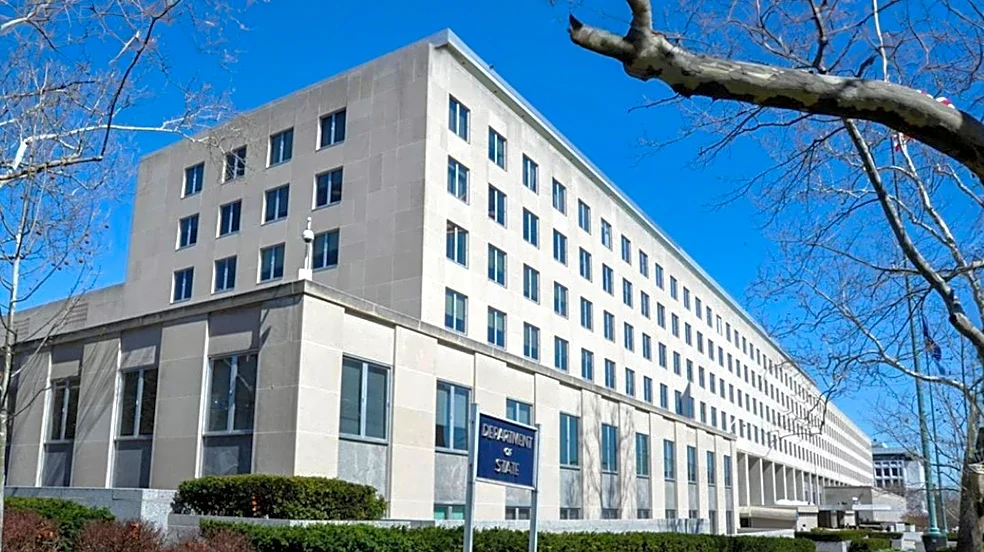
The U.S. Department of State has chosen Mississippi State University (MSU) to spearhead one of three public diplomacy awards aimed at fostering innovation and energy research collaboration among the U.S., the Kingdom of Bahrain, and the United Kingdom.
This $90,000 award, facilitated through the U.S. Embassy in Manama, Bahrain, will fund SPARK: Sustainable Power, Advanced Energy, Research and Knowledge Exchange. This trilateral initiative, led by MSU, seeks to enhance research partnerships, expand technical exchanges, and develop practical solutions in emerging energy technologies. The funding is part of the Department of State’s Advancing Innovation and Collaboration Through C-SIPA, a strategic framework designed to strengthen cooperation across defense, security, economic, commercial, trade, science, technology, and network security sectors among the three nations. MSU, with Bahrain Polytechnic as its in-country implementation partner and Queen’s University Belfast providing expertise, will create a platform for academic, industry, and government collaboration focusing on advanced energy systems.
Why It's Important?
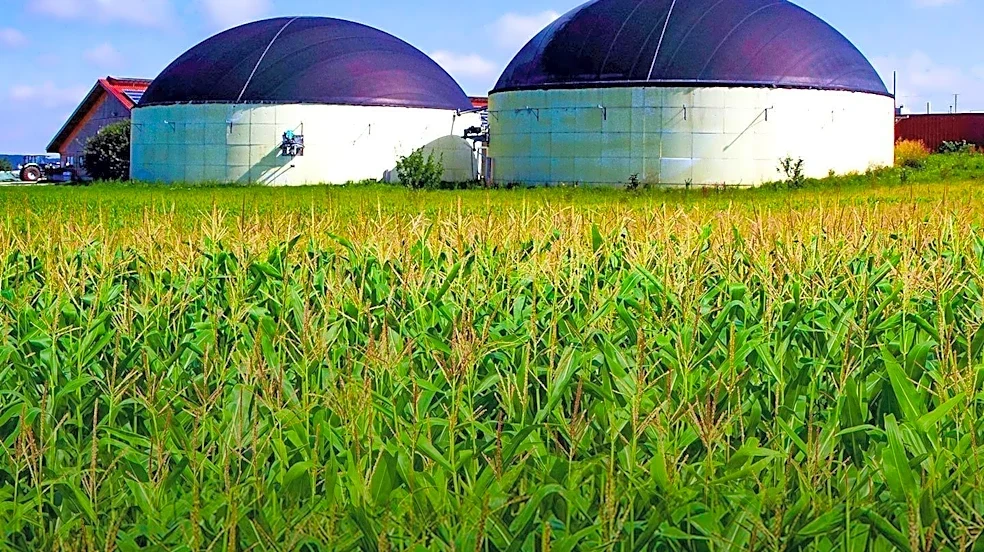
This initiative is significant as it reinforces the U.S. commitment to trusted technology partnerships that bolster national security and expand economic opportunities. By promoting resilient, secure, and market-driven innovation ecosystems, the SPARK program contributes to the broader goal of making C-SIPA countries safer and more prosperous. The collaboration will address critical areas such as small modular reactors, renewable energy systems, hybrid power models, grid integration, desalination, industrial process heat, and AI-enabled infrastructure. This effort not only strengthens international ties but also positions Mississippi State University as a key player in global energy collaboration, connecting its expertise with international challenges. The project's focus on practical solutions and long-term partnerships is expected to yield tangible benefits in sustainable energy development, impacting energy security and economic growth for all participating nations.
What's Next?
The SPARK initiative, led by Assistant Professor Qingqing Liu of MSU’s Michael W. Hall School of Mechanical Engineering, will immediately begin pairing technical analysis with exchange-based learning. The partners will develop case studies, training modules, analytical tools, and research outputs designed to inform future collaborations, institutional agreements, and joint publications. The collaborative work is anticipated to extend beyond the initial award period, indicating a long-term commitment to these partnerships. Additionally, the project will support sector-specific case studies in areas like refining, manufacturing, digital infrastructure, and desalination, helping partners evaluate the feasibility and scalability of advanced energy options. This ongoing work is expected to foster durable relationships and create practical pathways for future collaboration among the United States, Bahrain, and the United Kingdom in the critical field of sustainable energy.
Beyond the Headlines
The SPARK initiative represents more than just an energy research project; it embodies a strategic diplomatic effort to build enduring international relationships through scientific and technological cooperation. By bringing together researchers, students, and institutional partners from diverse backgrounds, the program fosters a foundation for shared discovery and practical innovation. This type of public diplomacy, centered on tangible scientific advancements, can lead to deeper cultural understanding and stronger geopolitical alliances. The focus on advanced energy systems also highlights a global shift towards sustainable solutions, addressing pressing environmental concerns while simultaneously creating new economic opportunities. The long-term impact could include the development of new energy policies, the creation of specialized workforces, and the establishment of a model for future trilateral collaborations in other critical technological sectors, thereby enhancing global stability and prosperity.