






What's Happening?
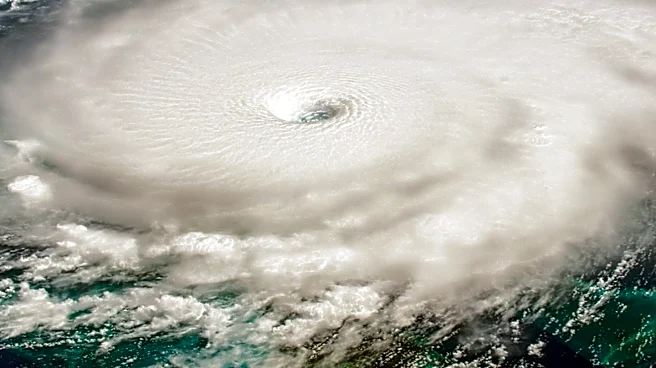
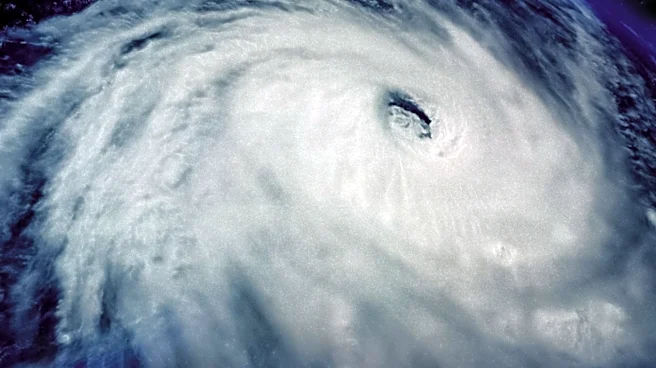
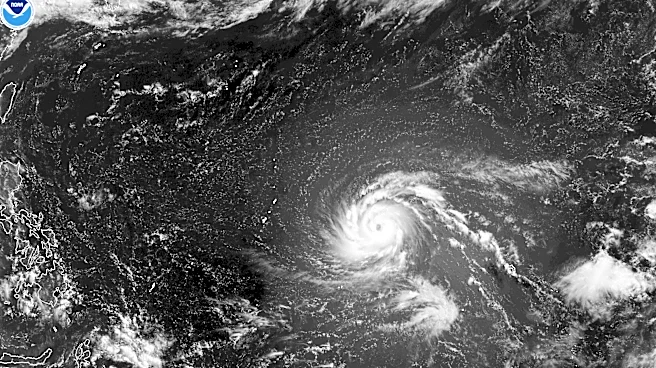
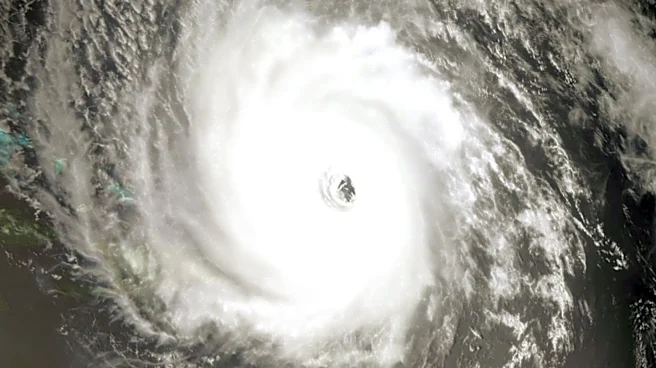
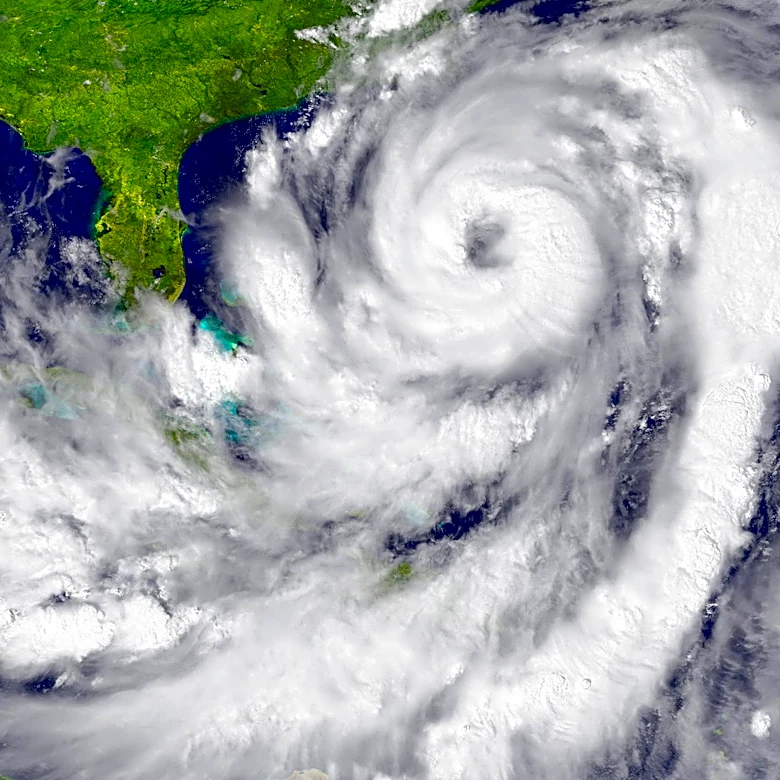
Super Typhoon Bavi is rapidly intensifying in the western Pacific Ocean and is forecast to strike the U.S. Mariana Islands, including Guam, by Monday. The typhoon is expected to bring damaging winds, storm surge, and flooding rain. Currently located over
700 miles east of Guam, Bavi is moving west-northwest and is predicted to strengthen into at least a Category 4 equivalent typhoon. The storm poses a serious threat to the Mariana Islands, with potential impacts including dangerous flash flooding and landslides. Residents are advised to complete preparations by Saturday afternoon as conditions could start to deteriorate by Sunday.
Why It's Important?
The impending arrival of Super Typhoon Bavi highlights the vulnerability of the Mariana Islands to severe weather events. The region is frequently affected by tropical storms and typhoons, which can cause significant damage to infrastructure, homes, and the environment. The potential for widespread destruction underscores the need for effective disaster preparedness and response strategies. Additionally, the increasing frequency and intensity of such storms may be linked to broader climate change patterns, emphasizing the importance of global efforts to mitigate climate impacts.
What's Next?
After impacting the Mariana Islands, Super Typhoon Bavi could pose a threat to Japan's Ryukyu Islands, Taiwan, or eastern China later in the week. Authorities in these regions are advised to monitor the storm's progress and prepare for possible impacts. The situation underscores the need for ongoing vigilance and readiness in the face of rapidly changing weather conditions.