



What's Happening?
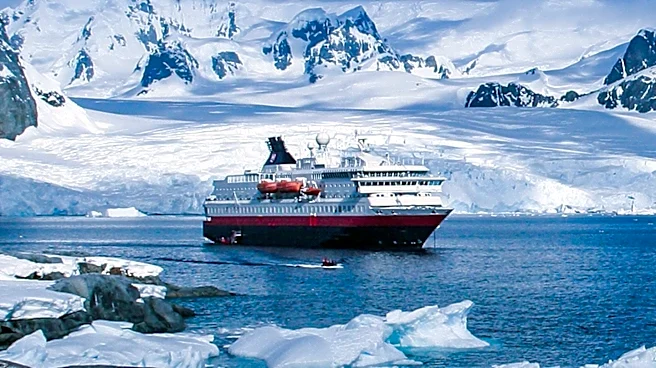
A growing number of Antarctic tour guides are resigning from their positions due to the environmental impact of increasing tourism in the region. These guides, who once cherished their roles in one of the world's most pristine environments, are now grappling
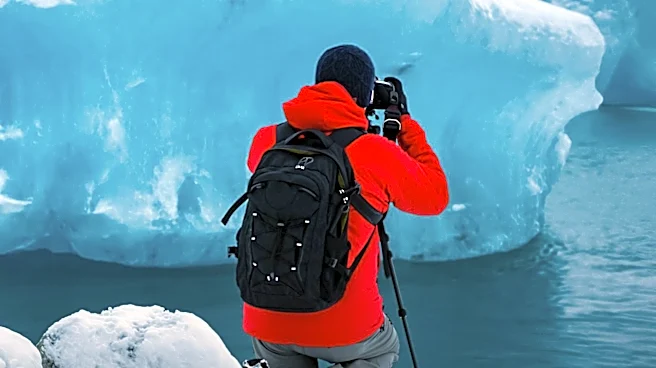
with the moral implications of their work. The influx of tourists, expected to reach up to 450,000 annually within a decade, is contributing to significant CO2 emissions and environmental degradation. Former guides have expressed their discomfort with witnessing climate change effects firsthand, such as glacier calvings, while facilitating tourism that exacerbates these issues. Interviews with 25 former guides reveal a deep conflict between their love for Antarctica and the negative impact of tourism, leading many to leave their jobs in pursuit of aligning their careers with their environmental values.
Why It's Important?
The resignation of Antarctic tour guides highlights the broader issue of sustainable tourism and its impact on vulnerable ecosystems. As tourism in Antarctica grows, so does the environmental footprint, raising questions about the balance between economic benefits and ecological preservation. The guides' decisions to leave their jobs underscore the personal and ethical dilemmas faced by those working in environmentally sensitive areas. This situation serves as a microcosm of the global challenge of managing tourism in a way that respects and protects natural environments. The guides' stories may prompt a reevaluation of tourism practices and policies, potentially influencing how the industry approaches sustainability and conservation efforts.
What's Next?
The increasing awareness and concern among tour guides may lead to calls for stricter regulations and sustainable practices in Antarctic tourism. Stakeholders, including tour operators and environmental organizations, might need to collaborate on developing strategies that minimize the ecological impact while still allowing people to experience the continent's unique beauty. This could involve implementing limits on the number of visitors, enhancing educational programs for tourists, and investing in carbon offset initiatives. The guides' resignations could also inspire other industry professionals to advocate for change, potentially leading to a shift in how tourism is conducted in environmentally sensitive regions.
Beyond the Headlines
The decision of these guides to leave their jobs reflects a broader cultural shift towards environmental responsibility and ethical living. It highlights the personal sacrifices individuals are willing to make to align their careers with their values. This trend may influence other sectors, encouraging professionals to consider the environmental and social impacts of their work. Additionally, the situation raises questions about the role of tourism in climate change and the responsibility of individuals and industries to mitigate their impact. The guides' actions could inspire a deeper public discourse on the importance of preserving natural wonders for future generations.