







What's Happening?
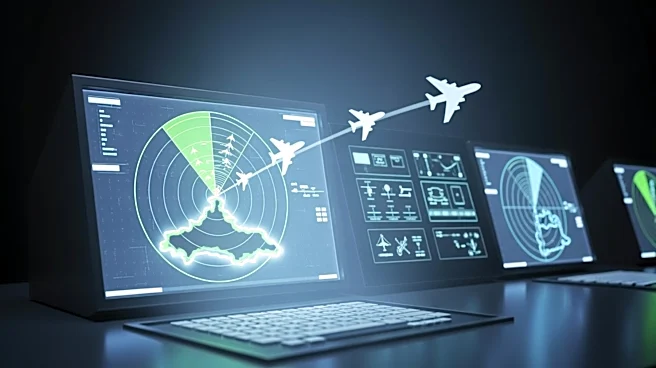
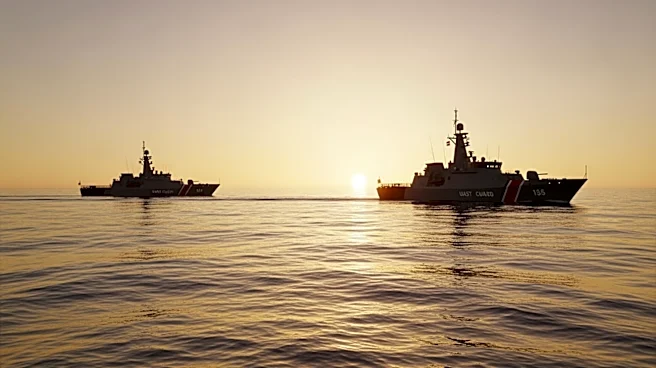
Mainland Chinese maritime authorities have detected what are believed to be Japanese surveillance aircraft southeast of Taiwan. This development comes as Beijing has increased its patrols in the area. According to a video released by Yuyuan Tantian, a social
media account linked to the state broadcaster CCTV, two fixed-wing aircraft, suspected to belong to the Japan Coast Guard, were spotted during a patrol by a Chinese maritime task force. The first aircraft, identified by its distinct tilted tail assembly, was detected at 6:15 am local time, while the second, marked with the blue-and-white livery of the Japan Coast Guard, was seen at 2:11 pm. This increased activity follows recent maritime border discussions between Japan and the Philippines, aimed at resolving overlapping maritime boundaries and exclusive economic zones in the western Pacific Ocean, east of Taiwan. Additionally, Beijing and Tokyo have unresolved overlapping EEZ claims in the East China Sea.
Why It's Important?
The detection of suspected Japanese surveillance aircraft near Taiwan highlights the ongoing tensions in the region, particularly concerning maritime boundaries and territorial claims. This incident underscores the strategic importance of the waters around Taiwan, which are a focal point for regional security dynamics involving China, Japan, and other neighboring countries. The increased patrols by Beijing reflect its intent to assert control and monitor activities in these contested areas. Such developments could impact diplomatic relations and security policies in the region, potentially influencing U.S. foreign policy and military strategy in the Asia-Pacific. The U.S., which has strategic interests in maintaining stability and freedom of navigation in these waters, may need to reassess its engagement and support for allies in the region.
What's Next?
The situation may lead to further diplomatic engagements or tensions between China and Japan, as both nations navigate their overlapping claims and security concerns. The U.S. and other regional stakeholders might increase their diplomatic efforts to mediate and prevent escalation. Additionally, there could be an increase in military readiness and surveillance activities by involved parties to safeguard their interests. The international community will likely monitor these developments closely, given their potential to affect regional stability and global trade routes.