
What's Happening?
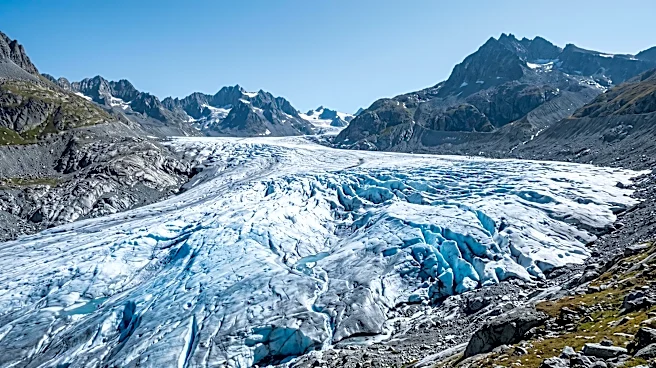
The Valais cantonal government in Switzerland has rejected an appeal from the operator of the Rhone Glacier ice cave, ordering the cessation of tourist operations and restoration of the site. This decision
follows years of controversy surrounding the attraction, which draws up to 100,000 visitors annually. The Swiss Foundation for Landscape Conservation initially raised concerns three years ago regarding the environmental impact of plastic tarpaulins used to slow the glacier's melting, citing fears of microplastic pollution. Additionally, the foundation highlighted that the ice tunnel had been excavated without official authorization. A petition with over 10,000 signatures further amplified these demands. Consequently, the cantonal construction commission ordered the removal of the tarpaulins and an immediate halt to tunnel excavation, followed by an order in August 2025 for the site's restoration. While the tarpaulins have been removed, the site's restoration has not commenced, leading to the rejection of the operator's appeal. The government maintains that both the tunnel and tarpaulins required prior authorization, which would not have been granted due to the area's protected status as a nationally significant alluvial plain.
Why It's Important?
This ruling underscores a growing global emphasis on environmental protection and regulatory compliance, particularly in sensitive ecological zones. The case highlights the tension between tourism revenue and conservation efforts, a challenge faced by many regions worldwide, including those with natural attractions in the U.S. The decision sets a precedent for how authorities may prioritize environmental integrity over commercial interests, potentially influencing future development and operational permits for tourist sites in protected areas. For the tourism industry, it signals a need for greater scrutiny of environmental impact assessments and adherence to regulatory frameworks. The involvement of a public petition also demonstrates the increasing power of public advocacy in shaping environmental policy and enforcement. This could lead to more stringent oversight of similar operations globally, prompting operators to proactively address environmental concerns and secure proper authorizations to avoid similar closures.
What's Next?
The operator of the Rhone Glacier ice cave now has 30 days to appeal the Valais cantonal government's decision to the cantonal court. However, the government's ruling lifted the suspensive effect of any appeal, meaning the closure order remains enforceable even if a further appeal is filed, effectively halting operations. The operator has indicated a determination to continue fighting the case. Separately, the cantonal construction commission also prohibited the use of the footpath leading to the cave due to the risk of falling rocks, a decision against which the operator has already launched an appeal before the cantonal court. These ongoing legal battles suggest a prolonged dispute over the future of the site, with potential implications for other glacier tourism operations in Switzerland and beyond. The outcome of these appeals will likely influence future regulatory approaches to tourism in environmentally sensitive regions.
Beyond the Headlines
The closure of the Rhone Glacier ice cave reflects a broader societal shift towards greater environmental accountability and the re-evaluation of human interaction with natural landscapes. Beyond the immediate legal and economic implications, this event highlights the ethical considerations of exploiting natural wonders for tourism, especially in the context of climate change. The use of plastic tarpaulins to slow glacial melt, while intended to preserve the attraction, ironically introduced concerns about microplastic pollution, illustrating the complex and often unforeseen environmental trade-offs in conservation efforts. This case could prompt deeper discussions about sustainable tourism models, the true cost of preserving natural sites, and the role of government in balancing economic benefits with ecological preservation. It also brings to the forefront the cultural significance of glaciers as indicators of climate health and the potential for their commercialization to undermine their intrinsic value.