
What's Happening?
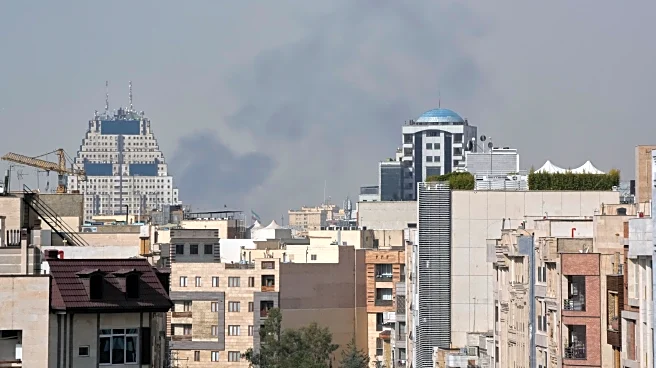
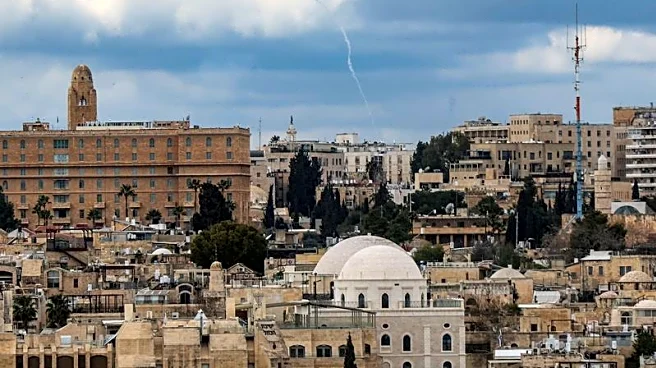
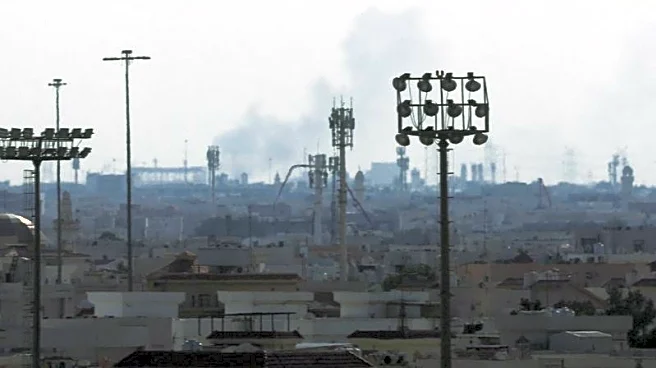
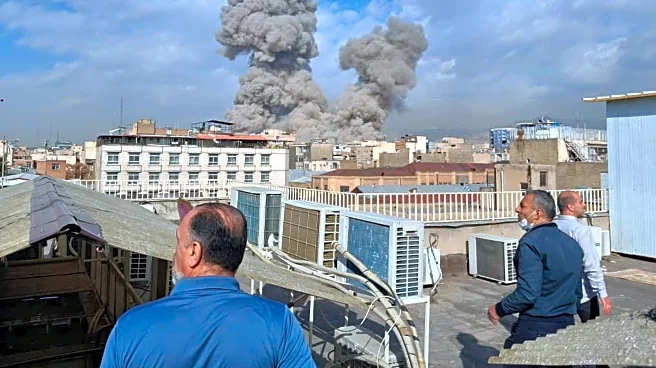
Following military strikes by the United States and Israel on Iran, significant disruptions in air travel have been reported across the Middle East. According to flight-tracking service Flightradar24, airspace over several countries, including Iran, Iraq,
Kuwait, the United Arab Emirates, Lebanon, Bahrain, and Jordan, was notably empty on February 28. This situation arose as many global airlines opted to cancel or reroute their flights to avoid the affected regions. The strikes have led to heightened geopolitical tensions, prompting countries like the United Arab Emirates and Israel to close their airspaces, while Qatar Airways canceled flights due to the closure of Qatari airspace.
Why It's Important?
The airspace closures and flight cancellations underscore the broader impact of geopolitical conflicts on international air travel and commerce. Airlines and passengers face significant disruptions, leading to potential economic losses for the aviation industry and related sectors. The situation highlights the vulnerability of global transportation networks to regional conflicts, which can have cascading effects on global supply chains and economic stability. Additionally, the closures reflect the heightened security concerns and the need for airlines to prioritize passenger safety amid escalating tensions.
What's Next?
As the situation develops, airlines and governments will need to closely monitor the geopolitical landscape to make informed decisions about flight operations. The potential for further military actions or retaliations could lead to prolonged airspace restrictions, affecting travel plans and logistics. Stakeholders, including international aviation authorities and diplomatic entities, may engage in discussions to mitigate the impact on global air travel and seek resolutions to the underlying conflicts. The aviation industry will likely continue to adapt its strategies to ensure safety and minimize disruptions.