
What's Happening?
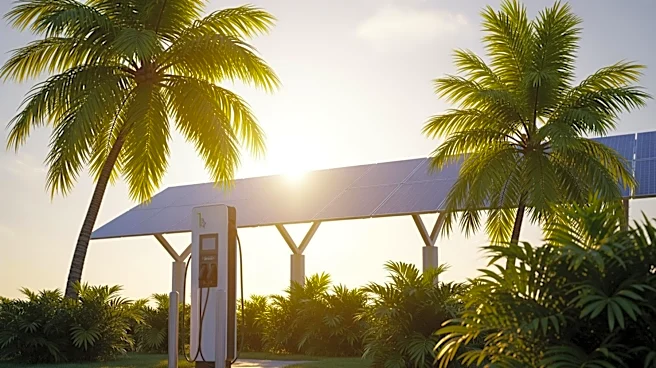
Researchers, including civil engineer Markus Schläpfer, have proposed using electric vehicles (EVs) to stabilize power grids in tropical cities during solar energy fluctuations caused by thunderstorms.
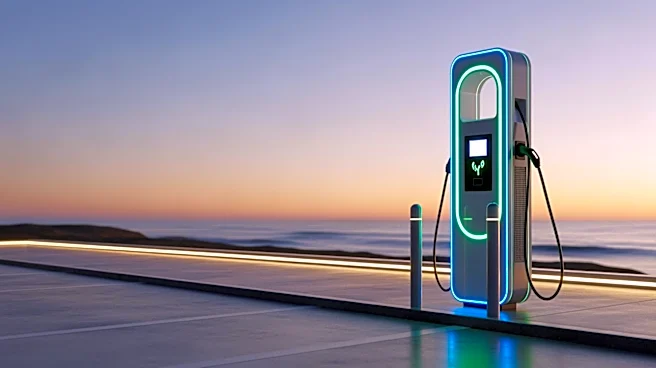
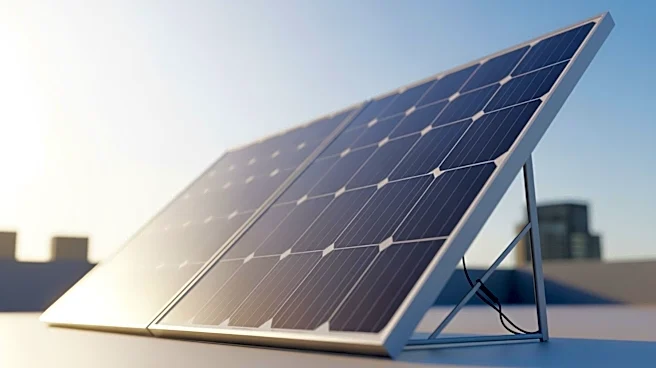
Published in Nature Communications, the study suggests that EVs can serve as temporary energy sources by discharging stored power into the grid when solar generation is interrupted. This approach could mitigate the need for costly infrastructure expansions in dense urban areas. The research highlights the potential of EV batteries to provide backup power, reducing the strain on existing grid capacity and enhancing the integration of solar photovoltaics.
Why It's Important?
This innovative use of EVs could significantly impact urban planning and energy management in tropical cities, which are increasingly reliant on solar power. By leveraging existing EV infrastructure, cities can avoid the high costs and logistical challenges of building new transmission lines. This approach also supports the transition to renewable energy sources, contributing to sustainability goals and reducing carbon emissions. The concept could drive policy changes and encourage investment in EV infrastructure, promoting wider adoption of electric vehicles and enhancing grid resilience.
What's Next?
Further research and pilot projects may be conducted to test the feasibility and scalability of this approach in different urban settings. Policymakers and city planners might explore regulatory frameworks to facilitate the integration of EVs into the grid. Collaboration between government agencies, utility companies, and the automotive industry will be crucial to implement this solution effectively. As cities continue to grow and face energy challenges, innovative strategies like this could become essential components of urban energy systems.