







What's Happening?
The Trump administration has admitted in court documents that it canceled $7.6 billion in grants for clean energy projects based on the political affiliation of the states involved. The grants, which were intended for projects in 16 states that supported
Democrat Kamala Harris in the 2024 presidential election, were terminated. This admission contradicts previous statements by Energy Secretary Chris Wright, who claimed the cancellations were due to the projects not adequately advancing national energy needs or being economically viable. The decision has been criticized by Democrats and environmental groups, who argue that the administration is using federal power to punish states for their political choices. The Energy Department had previously announced the termination of 321 funding awards across 223 projects, citing a lack of alignment with national energy goals.
Why It's Important?
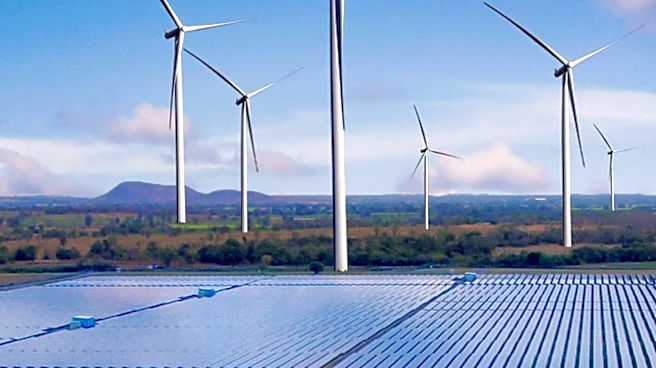
The cancellation of these grants has significant implications for the clean energy sector and the broader political landscape. By terminating funding based on political considerations, the administration is accused of undermining efforts to transition to renewable energy sources, potentially stalling progress in reducing carbon emissions and addressing climate change. This move could also exacerbate political divisions, as it appears to penalize states for their electoral choices. The decision affects numerous projects aimed at developing technologies like battery plants, hydrogen technology, and carbon capture, which are crucial for the U.S. to meet its energy and environmental goals. The controversy highlights the tension between federal policy and state-level political dynamics, with potential long-term impacts on energy policy and economic development in the affected states.
What's Next?
The court admission has prompted calls for accountability from congressional Democrats, who are urging Republicans to join them in addressing what they see as an abuse of power. The Energy Department's internal watchdog has launched an investigation into the matter, and legal challenges are ongoing. The outcome of these investigations and court cases could influence future federal funding decisions and the political landscape. Stakeholders in the clean energy sector are likely to continue advocating for policy changes that support renewable energy development, while political leaders may face pressure to ensure that federal resources are allocated based on merit rather than political considerations.