





What's Happening?
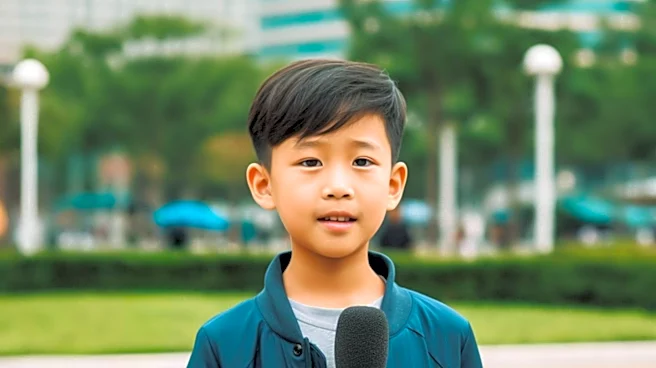
In Philadelphia, a unique interaction took place between a young aspiring scientist and a seasoned conservation expert. Seven-year-old Khalib Townsend, who dreams of becoming a conservation scientist, had the opportunity to interview Keith Russell, a conservation scientist at the Audubon
Discovery Center. This meeting was facilitated by NPR, aiming to inspire young Khalib by connecting him with someone who shares his passion for birds and nature. During their interaction, Khalib, equipped with binoculars and a bright blue jacket, joined Russell on a bird walk along the Discovery Center's nature trail. The conversation covered Russell's journey into conservation science, his passion for birds, and the challenges faced by birds, such as collisions with glass windows. Russell shared insights into his work, including efforts to protect birds in Philadelphia, a city located on the Atlantic Flyway, a major bird migration route.
Why It's Important?
This interaction highlights the importance of mentorship and exposure in nurturing young talents and interests, particularly in fields like conservation science. By connecting Khalib with a professional in his field of interest, the initiative underscores the role of mentorship in overcoming barriers and fostering diversity in science. Russell's experiences as a Black conservation scientist also shed light on the cultural and societal challenges that can deter minorities from pursuing careers in natural sciences. This story not only inspires young Khalib but also serves as a reminder of the broader need to support and encourage diverse voices in environmental conservation, which is crucial for addressing ecological challenges and promoting sustainable practices.
What's Next?
Following this inspiring encounter, Khalib may continue to pursue his interest in conservation science with renewed enthusiasm. The story suggests a potential for ongoing mentorship, which could provide Khalib with guidance and support as he navigates his educational journey. For the Audubon Discovery Center and similar institutions, this event could encourage the development of more programs aimed at engaging young people in conservation efforts. Additionally, the broader community might see increased awareness and involvement in bird conservation initiatives, particularly in urban areas like Philadelphia, where bird collisions with buildings are a significant concern.
Beyond the Headlines
This story also touches on the broader implications of urban development on wildlife, particularly birds. The issue of bird collisions with glass windows is a significant environmental concern, with millions of birds affected annually. Efforts to mitigate this, such as the use of window decals and architectural designs that reduce reflections, are crucial for urban conservation. Furthermore, the story highlights the importance of fostering a connection with nature in urban settings, which can enhance community well-being and promote environmental stewardship. By engaging young people like Khalib, there is potential for cultivating a new generation of conservationists who are aware of and committed to addressing these challenges.