







What's Happening?
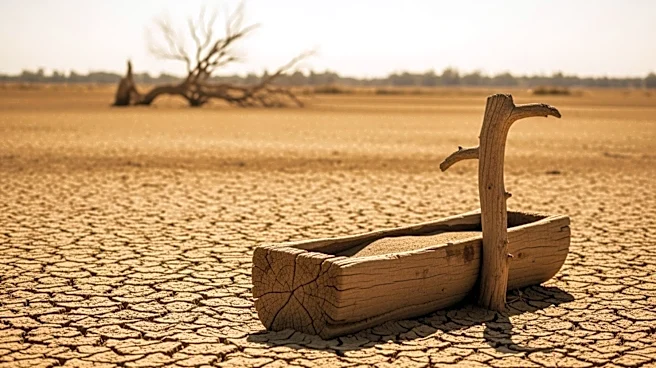
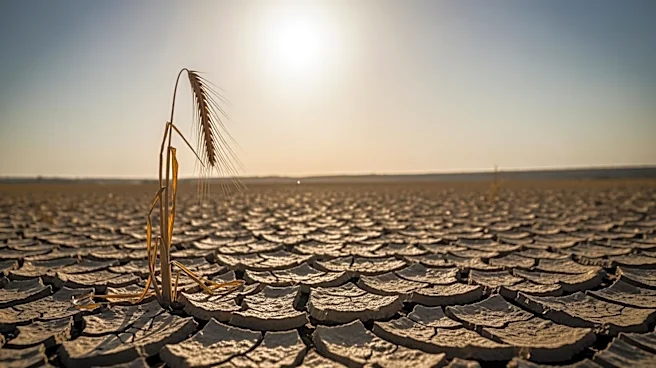
South Carolina is experiencing severe drought conditions, with over 97% of the state affected, according to the U.S. Drought Monitor. The drought is comparable to significant dry spells in previous years such as 2002, 2007, 2011, and 2012. Observations
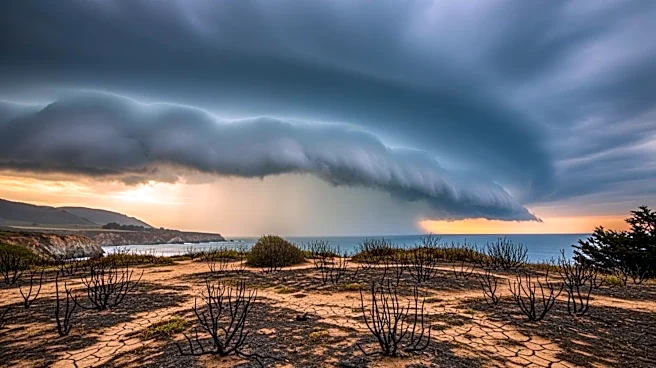
from rural areas indicate severe dryness, impacting agricultural activities. In Allendale County, farmers are unable to plant corn without irrigation due to insufficient soil moisture. Berkeley County reports declining water levels in wetlands, stressing vegetation like red maples. The South Carolina Forestry Commission has issued a statewide burn ban due to expected windy conditions and dry air, prohibiting all outdoor burning to prevent wildfires.
Why It's Important?
The drought in South Carolina poses significant risks to agriculture, water resources, and public safety. Farmers face challenges in planting crops, which could lead to economic losses and affect food supply chains. The burn ban is crucial to prevent wildfires, which are more likely under current dry conditions. Wildfires can cause property damage, threaten lives, and lead to costly firefighting efforts. The situation underscores the need for effective water management and drought preparedness strategies to mitigate impacts on communities and ecosystems.
What's Next?
The statewide burn ban will remain in effect until further notice, with officials monitoring conditions closely. The South Carolina Forestry Commission is unlikely to relax restrictions soon, given the ongoing drought and volatile weather conditions. Stakeholders, including farmers and local governments, may need to explore alternative water sources and irrigation methods to sustain agricultural activities. Public awareness campaigns may be necessary to educate residents on fire safety and water conservation practices.
Beyond the Headlines
The drought highlights broader environmental challenges, including climate change and its impact on weather patterns. Long-term shifts in rainfall and temperature could exacerbate drought conditions, affecting biodiversity and ecosystem health. The situation may prompt discussions on sustainable land management and the role of policy in addressing climate-related risks. Ethical considerations around resource allocation and support for affected communities may also arise.