





What's Happening?
Shanna Kerr, 46, has had her charges of criminal conspiracy and attempted theft by deception dismissed in an Omaha lottery fraud case due to insufficient evidence. Her husband, Kerwin Kerr, 46, remains charged with conspiracy to commit theft by deception,
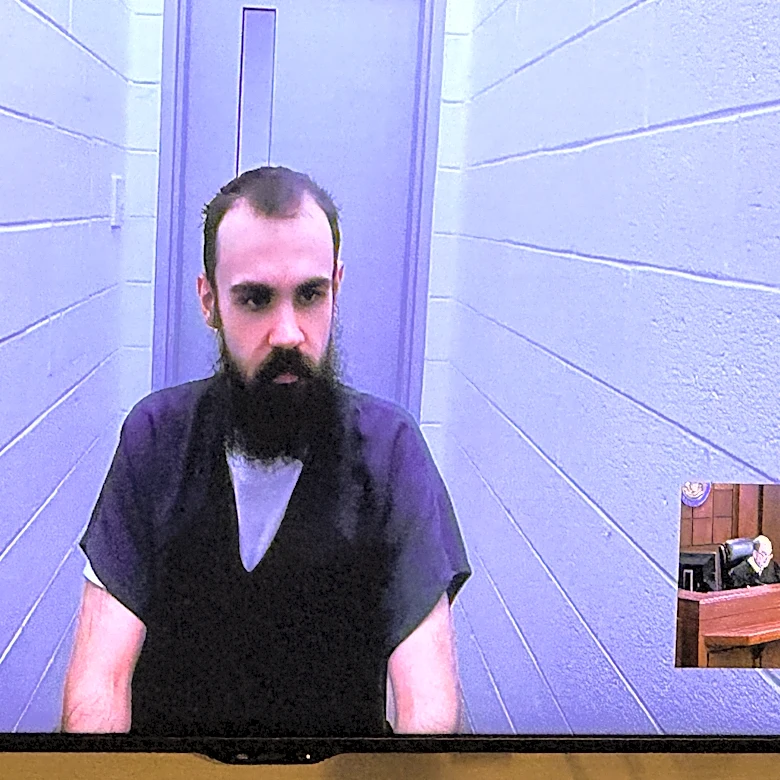
attempted theft by deception, criminal impersonation, and attempted possession of a gun during the commission of a felony. The couple was arrested in July following a sting operation conducted by the Douglas County Sheriff’s Office and Homeland Security. Investigators reported that the Kerrs targeted an elderly woman through social media for a lottery scam. However, the 'victim' in the operation was a fictional account set up by a confidential informant. The scam involved a profile claiming to be a CIA agent connected to the 'American Cash Awards Mega Millions Sweepstakes Lottery Company,' instructing the 'victim' to pay $473,000 in fees and taxes to collect prize winnings. Kerwin Kerr was arrested when he identified himself to law enforcement posing as the victim and took possession of the money. Authorities found a loaded handgun, marijuana, U.S. currency, and Jamaican currency in their vehicle during the search.
Why It's Important?
This case highlights the ongoing threat of lottery and sweepstakes scams, particularly those targeting vulnerable populations like the elderly through social media. The use of a fictional account by law enforcement in a sting operation demonstrates proactive measures taken to combat such fraud, which often results in significant financial losses for victims. The dismissal of charges against Shanna Kerr due to insufficient evidence underscores the complexities of prosecuting conspiracy cases and the high bar for proving individual involvement. Conversely, the continued charges against Kerwin Kerr, including attempted possession of a gun during a felony, indicate the serious nature of the alleged criminal enterprise. The involvement of both the Douglas County Sheriff’s Office and Homeland Security points to the multi-jurisdictional and often organized nature of these types of fraud schemes, which can extend beyond state lines and involve international elements, as suggested by the discovery of Jamaican currency.
What's Next?
Kerwin Kerr is scheduled to appear in court again on August 24. The legal proceedings will continue to determine his culpability in the alleged lottery fraud scheme. The dismissal of charges against Shanna Kerr means she will not face further prosecution in this specific case, though the broader implications of the investigation into the 'scammer ring' may continue. Law enforcement agencies are likely to continue monitoring social media platforms for similar fraudulent activities, and the public will be reminded to exercise caution regarding unsolicited claims of lottery winnings or requests for upfront payments to receive prizes. The outcome of Kerwin Kerr's trial could influence future strategies for prosecuting similar fraud cases and may lead to increased public awareness campaigns about the dangers of online scams.
Beyond the Headlines
The case touches upon the evolving landscape of criminal activity, where digital platforms are increasingly exploited for financial fraud. The use of a 'CIA agent' persona in the scam reflects a common tactic by fraudsters to lend credibility and urgency to their schemes, preying on trust and fear. The sting operation, while successful in apprehending suspects, also reveals the resourcefulness required by law enforcement to counter these sophisticated deceptions. The incident underscores the broader societal challenge of protecting individuals from online exploitation, particularly as digital literacy varies across demographics. It also raises questions about the responsibility of social media platforms in preventing such scams and the need for continuous public education on identifying and reporting fraudulent activities. The presence of a loaded handgun further highlights the potential for such criminal enterprises to escalate in danger.