





What's Happening?
The Slovak Republic has acquired 100% ownership of JESS (Jadrová energetická spoločnosť Slovenska), the company responsible for developing new nuclear capacity in Slovakia. This follows the sale of a 49% stake by the majority Czech-state-owned company ČEZ
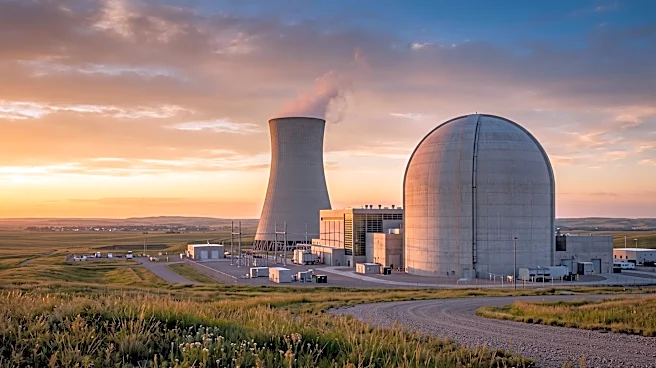
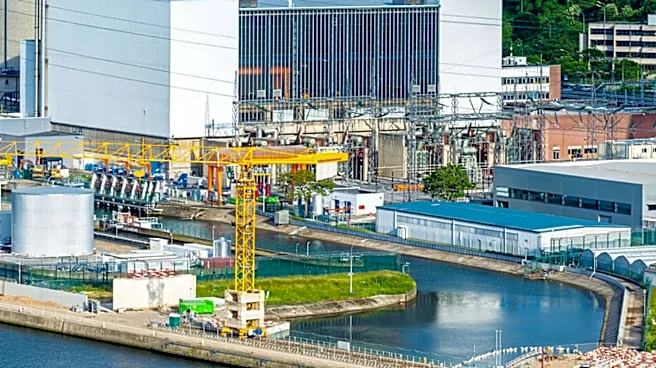
for EUR189 million (USD211 million) to Slovakia’s state-owned JAVYS. Slovak Prime Minister Robert Fico stated that this acquisition will significantly accelerate the construction of a new nuclear power plant in the Jaslovské Bohunice area. The Czech company ČEZ indicated that the construction of new nuclear power plants globally is typically state-directed, justifying the sale. JESS was established in December 2009 to prepare for new nuclear capacity near the existing Bohunice nuclear power plant. Earlier this year, the Slovak Republic and the USA signed a memorandum of cooperation for a state-owned American 1,200 MWe nuclear unit, which Fico has designated a strategic investment.
Why It's Important?
This move is strategically important for Slovakia's energy independence and economic future. Prime Minister Fico emphasized that new energy sources are crucial for Slovakia to maintain its status as an automotive powerhouse, support artificial intelligence and data centers, and fulfill European Commission plans. With nuclear power already generating over half of Slovakia's electricity, and projected to reach 77.5% of consumption once Mochovce 4 is fully operational, the country is heavily reliant on this energy source. Full state ownership of the new nuclear project company streamlines decision-making and potentially reduces delays, ensuring a stable and robust energy supply. This aligns with a broader European trend of prioritizing energy security and reducing reliance on fossil fuel imports, as highlighted by the EU's efforts to increase 'Made in Europe' clean energy production.
What's Next?
With the Slovak Republic now in full control of JESS, the focus will shift to rapidly advancing the construction of the new nuclear power plant. Prime Minister Fico's statement about going 'full steam ahead and with full commitment' suggests an expedited timeline for the project. The existing lead in preparing the territory and obtaining permits, coupled with the strategic investment status, indicates a concerted effort to bring the new 1,200 MWe nuclear unit online. This development will likely involve continued cooperation with the USA, as per the earlier memorandum. The successful and timely completion of this project will further solidify Slovakia's position as a leader in nuclear energy production within Europe and contribute to the EU's overall energy security goals.
Beyond the Headlines
The Slovak Republic's decision to fully nationalize its new nuclear project company reflects a growing global recognition of nuclear energy's strategic importance, particularly in the context of energy security and climate change. While the EU is pushing for increased renewable energy, the emphasis on nuclear power in Slovakia underscores its role as a reliable, low-carbon baseload power source. This move could set a precedent for other nations looking to secure their energy futures and reduce dependence on volatile fossil fuel markets. The integration of nuclear power with emerging technologies like AI and data centers highlights a forward-thinking approach to national infrastructure, where energy supply is seen as foundational to technological advancement and economic competitiveness. The shift towards state ownership also suggests a prioritization of national interests and long-term energy stability over purely market-driven approaches in critical infrastructure projects.