





What's Happening?
A recent CBS News/YouGov poll reveals that Americans are divided over a memorandum of understanding (MOU) between the United States and Iran. The poll indicates that 37% of respondents believe the MOU benefits Iran more, while 22% think the U.S. gains
more from the agreement. The MOU, which reopened the Strait of Hormuz, began lifting U.S. sanctions, freed frozen Iranian assets, and secured a ceasefire in Lebanon, is seen by 47% of respondents as evenly balanced. Despite these developments, Iran has reportedly closed the Strait of Hormuz again due to ongoing conflict in Lebanon, a claim disputed by the U.S. The poll also shows that two-thirds of respondents believe the Trump administration signed the deal to end the conflict, but only a third feel that this goal has been achieved. The survey, which included 2,519 adults, has a margin of error of 2.4 points.
Why It's Important?
The division in public opinion highlights the complexities and challenges in U.S.-Iran relations. The MOU's perceived imbalance could influence future diplomatic strategies and public support for U.S. foreign policy. The reopening and subsequent closure of the Strait of Hormuz underscore the fragile nature of the agreement and its impact on global oil markets and regional stability. The poll results suggest that while there is a desire to end hostilities, there is skepticism about the effectiveness of the current approach in curbing Iran's nuclear ambitions and regional influence. This sentiment could affect political discourse and policy decisions, especially with figures like former Vice President Mike Pence criticizing the MOU as insufficient.
What's Next?
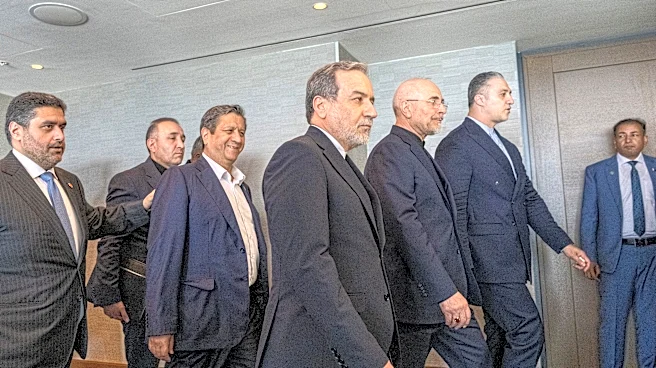
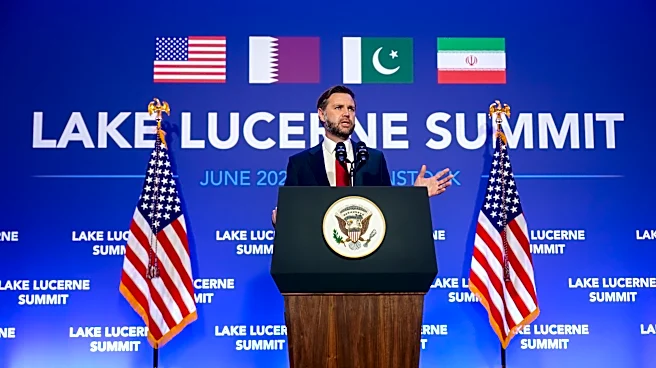
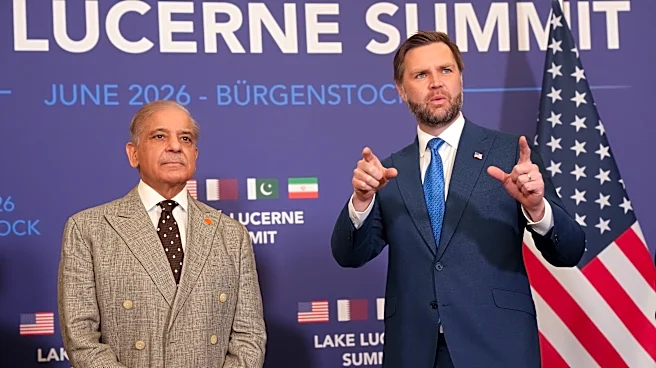
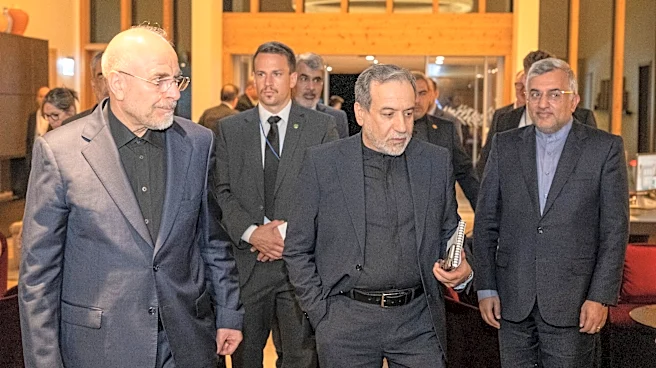
Technical negotiations are set to continue, following high-level talks in Switzerland that ended early. The ongoing discussions aim to address unresolved issues and potentially stabilize the situation. The U.S. and Iran may face pressure to demonstrate tangible progress to maintain domestic and international support. The outcome of these negotiations could shape future diplomatic engagements and influence the geopolitical landscape in the Middle East.