



What's Happening?
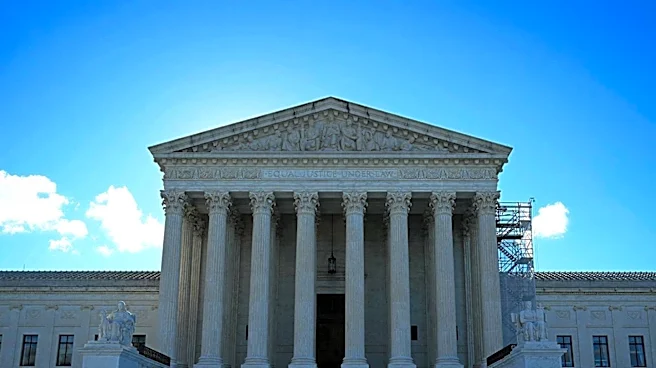
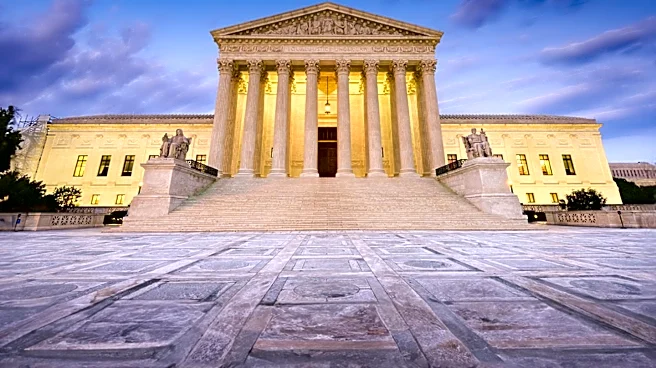
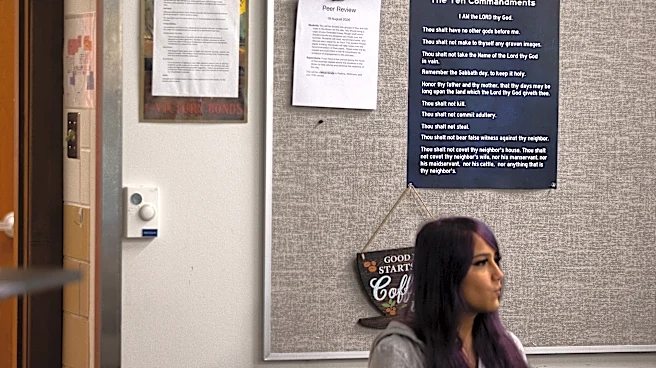
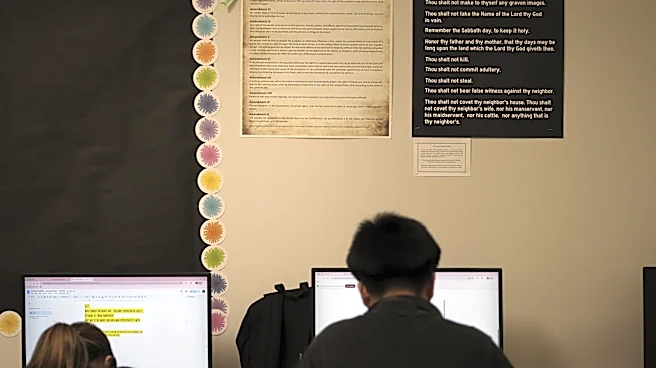
More than two dozen Texas families are petitioning the U.S. Supreme Court to challenge a state law, Senate Bill 10, which requires public schools to display a Protestant version of the Ten Commandments in every classroom from kindergarten through 12th
grade. The families, represented by the American Civil Liberties Union of Texas, the ACLU, Americans United for Separation of Church and State, and the Freedom From Religion Foundation, argue that this law violates the Establishment and Free Exercise Clauses of the First Amendment. This request follows an April decision by the en banc U.S. Circuit Court of Appeals for the 5th Circuit, which narrowly ruled that S.B. 10 does not violate these constitutional provisions. The families contend that these displays pressure children to conform to state-favored religious beliefs and infringe upon parents' right to guide their children's religious instruction. This legal action seeks to overturn the 5th Circuit's decision, referencing a 1980 Supreme Court case that struck down a similar Kentucky law.
Why It's Important?
This case is significant for religious freedom and the separation of church and state in public education across the U.S. A Supreme Court review could establish a precedent regarding the display of religious texts in public school classrooms, potentially impacting similar legislative efforts in other states. If the Supreme Court agrees to hear the case and rules in favor of the Texas families, it would reinforce the principle that public schools must remain neutral on religious matters, protecting students from perceived religious coercion. Conversely, a ruling upholding the Texas law could embolden other states to enact similar legislation, potentially leading to increased religious displays in public institutions. The outcome will define the boundaries of religious expression within public educational settings and the extent of governmental authority in promoting religious tenets, affecting students, parents, and educational institutions nationwide.
What's Next?
The U.S. Supreme Court will now consider the petition for a writ of certiorari filed by the Texas families. The Court will decide whether to hear the case, which would involve reviewing the 5th Circuit's decision. If the Supreme Court grants certiorari, the case will proceed to oral arguments, and a final ruling would be issued, potentially setting a nationwide precedent on the constitutionality of displaying religious texts in public schools. Should the Court decline to hear the case, the 5th Circuit's ruling upholding the Texas law would stand, allowing the mandatory display of the Ten Commandments in Texas public school classrooms. Major stakeholders, including religious freedom advocates, educational organizations, and state legislatures, will closely monitor the Court's decision on whether to take up this challenge.
Beyond the Headlines
Beyond the immediate legal challenge, this case touches upon the evolving interpretation of the First Amendment's Establishment Clause in contemporary American society. The debate over displaying the Ten Commandments in public schools reflects a broader cultural tension between religious expression and secular governance. A Supreme Court decision could either reaffirm the historical separation of church and state or signal a shift towards greater accommodation of religious practices in public institutions. This could have long-term implications for curriculum development, school policies, and the overall religious diversity within public education. The case also highlights the role of judicial review in safeguarding individual liberties against state legislative actions, particularly concerning sensitive issues like religious instruction for minors.