
What's Happening?
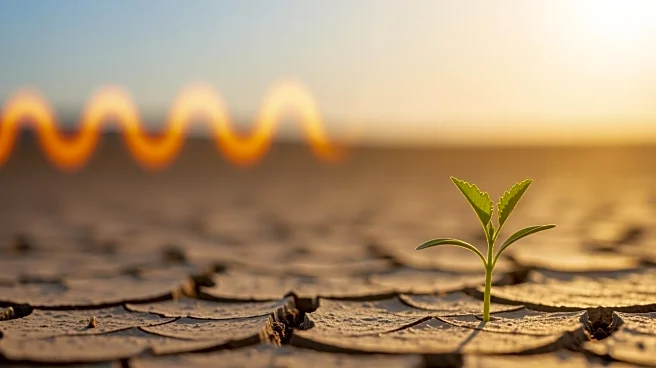
Tennessee is experiencing significant agricultural challenges due to ongoing drought conditions and erratic temperature fluctuations. The state's unusually warm winter, coupled with a lack of consistent
cold weather, is impacting food production and could lead to increased food prices. Farmers are particularly concerned about the health of livestock, as temperature swings can cause respiratory issues in cattle. The drought, which has persisted since an arid fall, is evident across most of Tennessee, with varying degrees of severity. Agricultural experts, like Williamson County Extension Agent Matt Horsman, are working closely with farmers to mitigate these challenges, especially as the warmer months approach. The lack of moisture in the soil is a growing concern, as it could exacerbate drought conditions in the summer, further impacting crop yields and livestock health.
Why It's Important?
The agricultural sector is a critical component of Tennessee's economy, and the current weather conditions pose a threat to its stability. The drought and temperature swings not only affect food production but also have broader economic implications, potentially leading to higher food prices and affecting local economies. Livestock health issues could result in increased costs for farmers, which may be passed on to consumers. The situation underscores the vulnerability of agriculture to climate variability and highlights the need for adaptive strategies to ensure food security and economic resilience. As these weather patterns continue, they could have long-term impacts on the agricultural industry, necessitating policy interventions and support for affected farmers.
What's Next?
Farmers and agricultural experts in Tennessee are closely monitoring the situation and are prepared to implement strategies to mitigate the impact of the drought and temperature swings. This includes adjusting planting schedules and providing additional care for livestock. As the state moves into the warmer months, the focus will be on managing water resources effectively to prevent further depletion. There may also be increased collaboration between farmers and extension agents to develop innovative solutions to these challenges. Policymakers might consider providing financial assistance or resources to support the agricultural community during this difficult period.