







What's Happening?
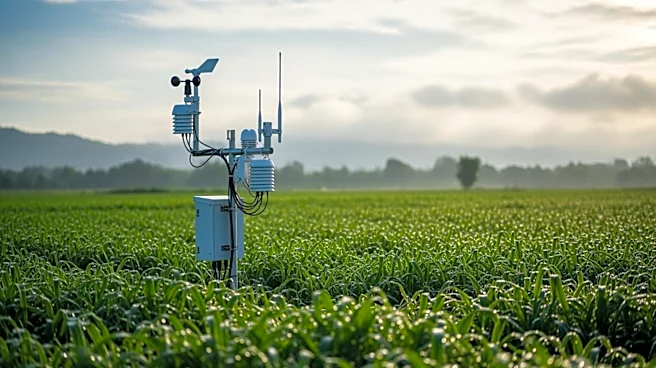
A recent 11-year study has revealed that long-term climate warming significantly increases the abundance of antibiotic resistance genes (ARGs) in grassland soils. Conducted from 2009 to 2020, the research involved experimental plots where soil was kept
3°C warmer than the natural environment. The study found that higher temperatures favor the growth of Actinomycetota, a group of bacteria that naturally carry many resistance genes, leading to a 24% increase in ARGs. This rise in resistance genes poses challenges for controlling crop diseases, as traditional methods may become less effective. The findings, published in Nature, highlight the potential risks to human health and agriculture as climate change continues to alter environmental conditions.
Why It's Important?
The study underscores the growing concern over antimicrobial resistance (AMR), which could cause up to 10 million deaths annually by 2050 if not addressed. The increase in ARGs due to warming could complicate efforts to manage AMR, impacting both public health and agricultural productivity. As climate change accelerates, the spread of resistance genes in soil could lead to more resilient plant pathogens, making it harder to control crop diseases. This development could have significant economic implications for the agricultural sector, potentially affecting food security and increasing the cost of crop production.
What's Next?
Further research is needed to explore the impact of warming on ARGs across different vegetation types and climates. This will help build a stronger evidence base to guide agricultural and environmental management strategies in a warming world. Policymakers and agricultural stakeholders may need to consider new approaches to mitigate the effects of climate change on soil health and antibiotic resistance. Additionally, there may be a need for increased investment in research and development of alternative methods for controlling crop diseases and managing AMR.