
What's Happening?
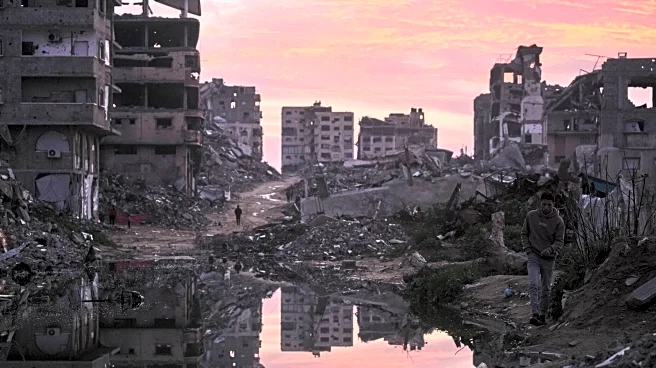
The Israel Defense Forces (IDF) have disputed the casualty figures reported by the Gaza Health Ministry, which is operated by Hamas. The ministry claims that 71,667 people have been killed and around 171,000
wounded since the conflict began on October 7. The IDF has expressed skepticism about these numbers, suggesting that they may be inflated or manipulated by Hamas. This skepticism is rooted in the IDF's ongoing efforts to distinguish between combatants and civilians in their casualty assessments. The controversy was further fueled when unnamed Israeli defense officials appeared to endorse the Palestinian death toll, leading to confusion about the IDF's stance. Lt. Col. Nadav Shoshani, the IDF's international spokesperson, clarified that the figures do not reflect official IDF data and emphasized that any official reports would be released through proper channels.
Why It's Important?
The dispute over casualty figures highlights the complexities and challenges in obtaining accurate data in conflict zones, where information can be used as a tool for propaganda. The IDF's rejection of the Gaza Health Ministry's figures underscores the ongoing tension between Israel and Hamas, as well as the broader international community's reliance on these figures for humanitarian assessments. The accuracy of casualty data is crucial for international organizations and human rights groups that monitor the conflict and provide aid. Misleading figures can impact public perception and policy decisions, potentially influencing international diplomatic efforts and humanitarian responses.
What's Next?
The IDF is expected to continue its efforts to provide a more accurate accounting of casualties, distinguishing between combatants and civilians. This process may involve further scrutiny and verification of data, potentially leading to revised figures. The international community, including organizations like the United Nations, may also seek to verify the numbers independently to ensure accurate reporting. The ongoing conflict and the associated humanitarian crisis will likely remain a focal point for international diplomatic efforts, with potential implications for future peace negotiations and aid distribution.