




What's Happening?
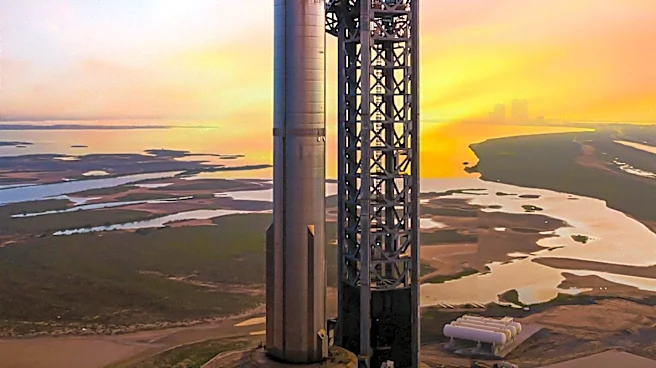
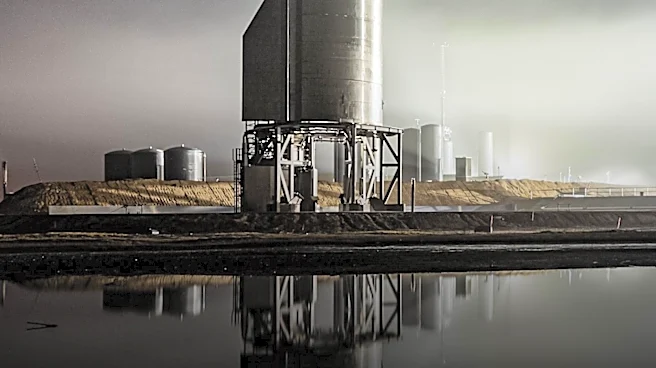
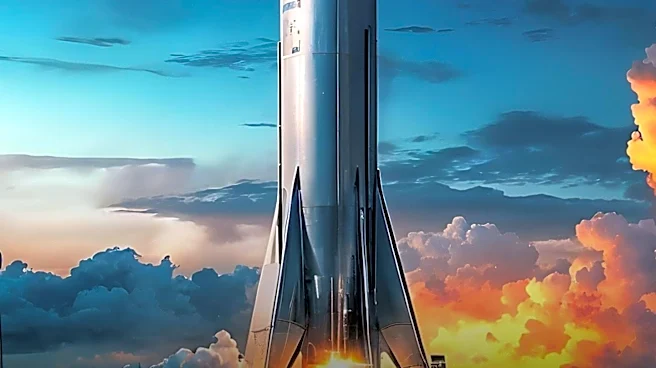
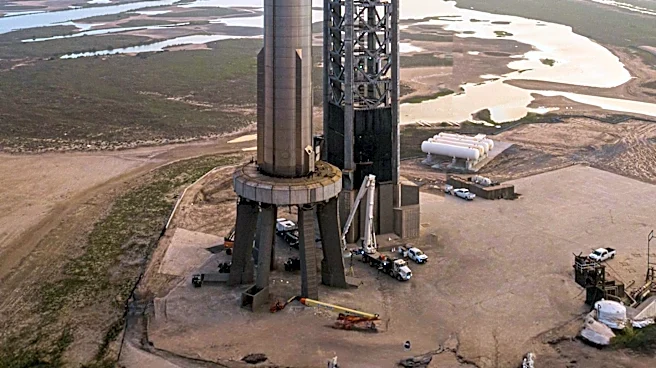
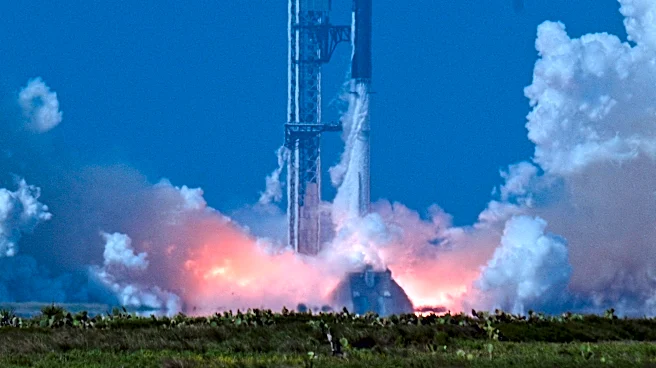
SpaceX has successfully conducted a static fire test of its Starship Super Heavy booster, marking a significant step towards the 13th test flight of the massive vehicle. The test took place at SpaceX's Starbase facility in Texas, where Booster 20, equipped
with 33 upgraded Raptor 3 engines, was ignited for approximately 25 seconds. This test is crucial for the upcoming Flight 13, which is expected to launch as early as July 15, according to the Federal Aviation Administration. The Starship V3, an upgraded version of the rocket, features enhanced avionics, a larger fuel tank, and equipment for propellant transfer between spacecraft. These upgrades are essential for the missions planned under NASA's Artemis program, which aims to return humans to the moon.
Why It's Important?
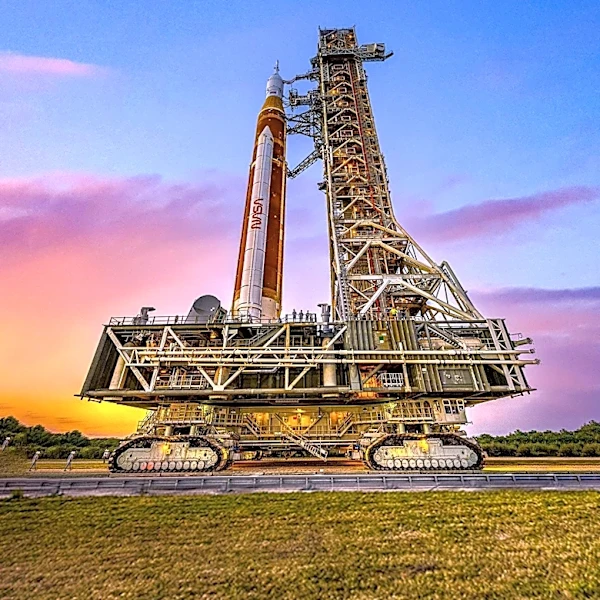
The successful static fire test is a critical milestone for SpaceX as it prepares for the next phase of its Starship program. The Starship vehicle is designed to be fully reusable and capable of delivering over 100 tons to low Earth orbit. Its success is vital for NASA's Artemis program, which relies on Starship as one of the lunar landers to deliver astronauts to the moon. The ability to demonstrate the vehicle's capabilities, including the retrieval and reuse of both stages, is essential for SpaceX's long-term goals of reducing space travel costs and increasing the frequency of missions. The outcome of Flight 13 will influence future technology demonstration tests and the operational status of the Starship.
What's Next?
Following the static fire test, SpaceX is preparing for the launch of Flight 13, which will test the Starship V3's capabilities further. The mission will focus on resolving issues encountered in previous flights, such as the booster and engine anomalies. If successful, this flight will pave the way for more ambitious tests, including orbital insertion and propellant transfer. SpaceX aims to demonstrate the full reusability of the Starship by retrieving both stages back at the Starbase launch pad. The results of these tests will be crucial for the future of SpaceX's missions and its role in NASA's lunar exploration plans.