








What's Happening?
The Warsaw District Prosecutor’s Office has charged Member of the European Parliament (MEP) and leader of the Confederation of the Polish Crown party, Grzegorz Braun, with multiple offenses. These charges include theft, property damage, and defamation.
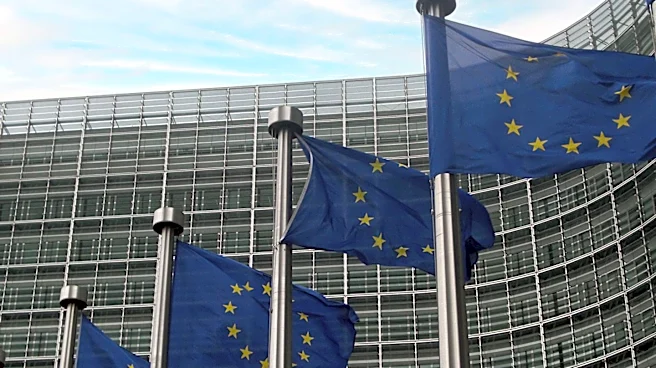
One incident involves Braun tearing down a Ukrainian flag from a city administration building in Biała Podlaska. He is also accused of taking a European Union flag from the lobby of Poland’s Ministry of Industry. Additionally, Braun faces charges for destroying ten display panels from an exhibition dedicated to LGBT+ issues. The defamation charge stems from his remarks about the 'Daffodils' campaign by the POLIN Museum of the History of Polish Jews, where he used the phrase 'Jewish daffodil' and called the campaign 'a symbol of shame and subservience.' The Criminal Code in Poland stipulates penalties ranging from six months to eight years in prison for theft and property damage, and up to one year for defamation. Braun has declined to provide an explanation during questioning, stating he will appear with his lawyer after reviewing case materials. In July, Poland’s prosecutor general, Waldemar Żurek, requested permission from European Parliament President Roberta Metsola to detain and bring Braun to the prosecutor’s office.
Why It's Important?
This case highlights the legal and political ramifications of actions by elected officials, particularly those involving national and international symbols and cultural sensitivities. The charges against MEP Grzegorz Braun, including the removal of Ukrainian and EU flags, underscore the tensions surrounding national identity, international relations, and freedom of expression within the European Union. The accusation of destroying LGBT+ exhibition panels and making defamatory remarks about a Holocaust remembrance campaign further emphasizes the deep societal divisions and the challenges in balancing political discourse with legal boundaries. The involvement of the European Parliament President, Roberta Metsola, in the request for Braun's detention, signifies the cross-jurisdictional nature of such incidents and the potential for broader diplomatic implications. The outcome of this case could set precedents for how similar actions by MEPs are handled legally and politically across Europe, impacting the perception of parliamentary immunity and the accountability of elected representatives for their public conduct.
What's Next?
Further procedural decisions in the case against Grzegorz Braun will depend on the progress of the investigation and the European Parliament President Roberta Metsola's consideration of the request to detain him. Braun has indicated he will appear with his lawyer after reviewing the case materials, suggesting a legal defense is being prepared. The Polish prosecutor general's request to the European Parliament for permission to detain Braun indicates a potential legal battle over parliamentary immunity, which could prolong the process. Depending on the European Parliament's decision, Braun could face detention and further legal proceedings in Poland. The case will likely continue to draw attention from both Polish and European media, given the high-profile nature of the accused and the controversial incidents involved. The legal process will determine whether Braun is found guilty of the charges and what penalties, if any, he will face under Polish law. This situation could also influence future political discourse and legislative actions regarding hate speech and the protection of cultural symbols within Poland and the broader EU.
Beyond the Headlines
The charges against Grzegorz Braun extend beyond individual legal infractions, touching upon deeper societal and political currents within Poland and the European Union. The incidents involving the Ukrainian and EU flags reflect a broader debate on national sovereignty versus European integration, particularly in the context of ongoing geopolitical events. Braun's actions and statements regarding the LGBT+ exhibition and the 'Daffodils' campaign highlight the persistent cultural clashes and the rise of conservative nationalism in some parts of Europe. This case could serve as a litmus test for the limits of political expression and the enforcement of laws against hate speech and property damage, especially when committed by elected officials. The involvement of the European Parliament in potentially lifting Braun's immunity could also spark discussions about the balance between national legal systems and the privileges afforded to MEPs. Ultimately, the resolution of this case may influence public discourse on tolerance, historical memory, and the role of political figures in shaping societal values, potentially impacting future elections and policy-making in Poland and beyond.