





What's Happening?
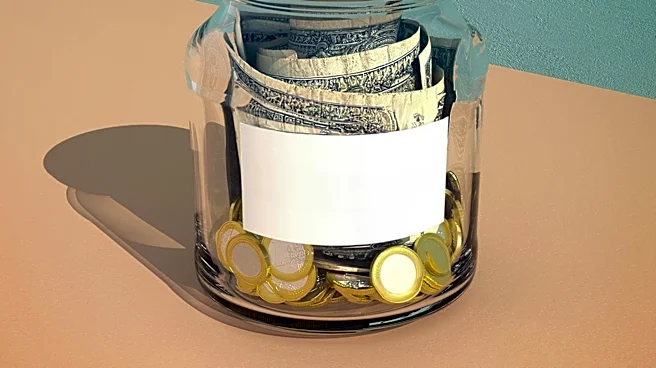
Basic income programs, which provide no-strings-attached cash to low-income households, have been implemented in various U.S. cities to address poverty and housing insecurity. Participants have used the funds for essential expenses like rent, groceries,
and childcare, with some investing in education and job training. While these programs have offered short-term financial relief, their long-term impact remains uncertain. Participants report mixed outcomes, with some achieving greater financial stability and others finding the support insufficient for lasting change. The sustainability of these programs is challenged by political and budgetary constraints.
Why It's Important?
Basic income programs represent a potential solution to economic inequality and financial insecurity, offering a safety net for vulnerable populations. However, the mixed results highlight the complexities of implementing such initiatives on a larger scale. The programs' effectiveness depends on sustained political support and adequate funding, which are often difficult to secure. The debate over basic income reflects broader discussions about social welfare policies and the role of government in addressing economic disparities. Understanding the successes and limitations of these programs can inform future policy decisions and efforts to combat poverty.