









What's Happening?
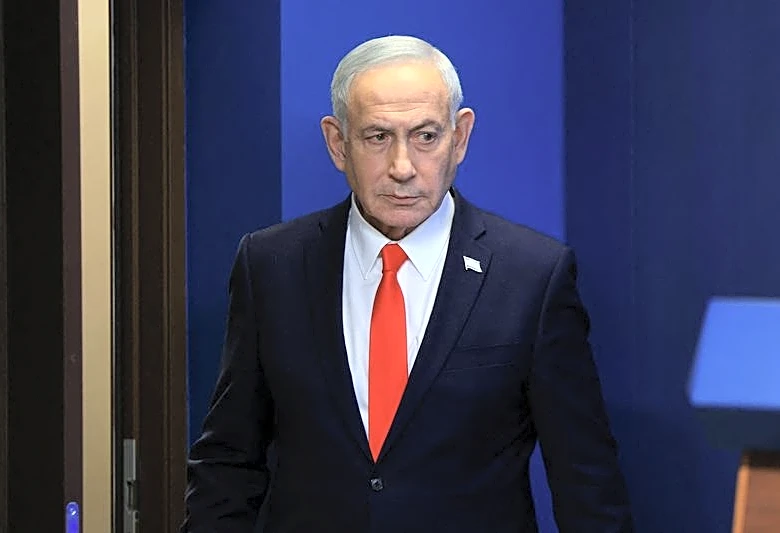
A recent poll conducted by the Midgam Institute indicates that Gadi Eisenkot's Yashar party is gaining momentum in the Israeli elections, securing an additional seat. The poll shows the opposition parties collectively holding an advantage with 68 seats,
compared to the coalition's 52 seats. The Likud party, led by Prime Minister Benjamin Netanyahu, remains the largest party, while Naftali Bennett's Together list loses a seat. The poll highlights the dynamic nature of Israeli politics, with shifts in party support and the potential influence of Arab parties on the overall outcome.
Why It's Important?
The poll results suggest a potential shift in the Israeli political landscape, with opposition parties gaining ground. This could lead to changes in government policies and priorities, particularly if the opposition secures a majority. The role of Arab parties is also crucial, as their support could be pivotal in forming a government. The political dynamics reflected in the poll underscore the complexity of coalition-building in Israel and the importance of strategic alliances.
What's Next?
As the election date approaches, political parties will likely intensify their campaigns to secure votes and form alliances. The potential for a change in government could lead to shifts in domestic and foreign policy, depending on the composition of the ruling coalition. The involvement of Arab parties in the government could also influence policy directions, particularly regarding issues of equality and integration.
Beyond the Headlines
The evolving political scene in Israel highlights the challenges of maintaining a stable government in a diverse society. The poll results reflect broader societal trends, including the influence of demographic changes and the role of minority groups in shaping national politics. The outcome of the elections could have long-term implications for Israel's political and social landscape.