







What's Happening?
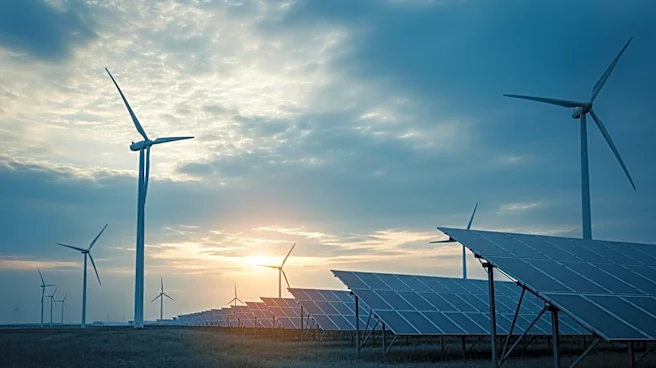
A new analysis by think tank Ember reveals that the global share of gas in electricity generation has declined for the fifth consecutive year, dropping from 23.9% in 2020 to 21.8% in 2025. This decline is attributed to the rapid expansion of renewable
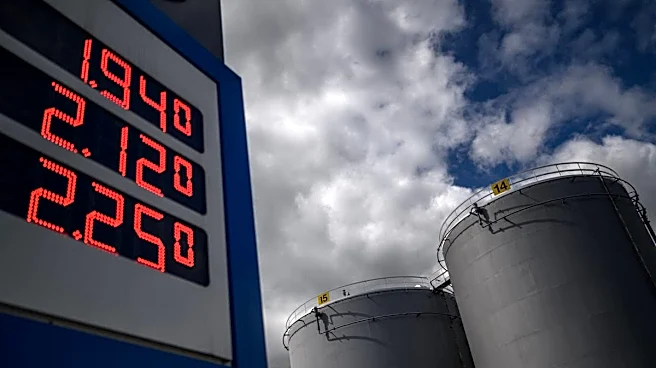
energy sources, particularly in Europe, which has significantly increased its wind and solar capacity. The report highlights that nearly half of the world's gas-generating economies have reached 'peak' gas generation, with countries like the UK, Germany, and Japan leading the transition. Despite this shift, gas prices remain volatile due to geopolitical tensions in the Middle East, affecting energy costs across Europe.
Why It's Important?
The transition from gas to renewable energy sources is a critical component of global efforts to reduce carbon emissions and combat climate change. The decline in gas generation signifies a shift towards more sustainable energy systems, which could lead to reduced reliance on fossil fuels and greater energy security. However, the ongoing conflict in the Middle East poses challenges, as it disrupts supply chains and contributes to price volatility. This situation underscores the importance of diversifying energy sources and investing in renewable infrastructure to mitigate the impact of geopolitical events on energy markets.
What's Next?
As Europe continues to expand its renewable energy capacity, the focus will likely shift towards policy measures that support this transition. The European Commission's RePowerEU plan aims to further reduce reliance on Russian gas imports, emphasizing the need for increased electrification and energy efficiency. The ongoing geopolitical tensions may accelerate these efforts, prompting governments and businesses to invest more in renewable technologies. Additionally, the volatility in gas prices could lead to increased consumer costs, highlighting the need for strategies to protect households from energy price fluctuations.