
What's Happening?
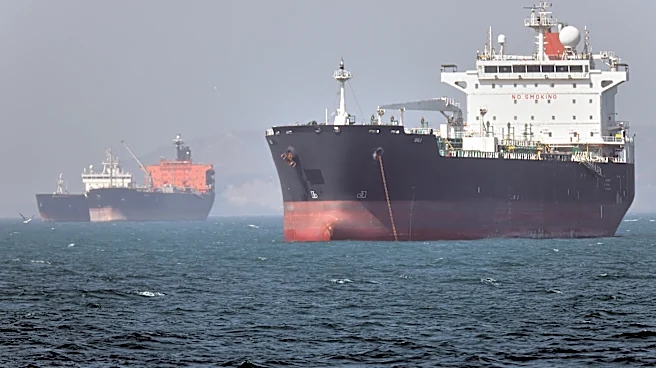
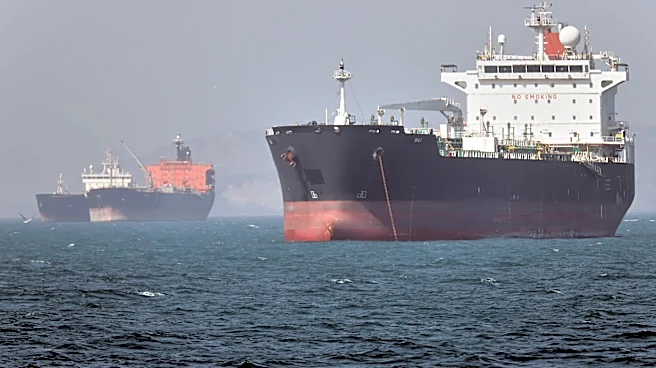
Saudi Aramco CEO Amin Nasser has warned that disruptions to oil exports via the Strait of Hormuz could delay the market's recovery until 2027. The ongoing conflict with Iran has led to the effective closure
of the strait, causing significant supply disruptions and a loss of approximately 100 million barrels of oil per week. Aramco has increased exports via the East-West pipeline to mitigate the impact, but the situation remains critical. The company is also exploring ways to expand export capacity at the Red Sea port of Yanbu to sustain crude export volumes.
Why It's Important?
The closure of the Strait of Hormuz, a vital passage for global oil shipments, represents one of the largest disruptions to the energy market in history. The prolonged supply disruptions have led to soaring energy prices, contributing to inflationary pressures and economic uncertainty. The situation underscores the vulnerability of global energy markets to geopolitical tensions and highlights the strategic importance of diversifying export routes and increasing energy security.
What's Next?
If the blockade continues, the oil market could face prolonged instability, with potential impacts on global economic growth and energy security. Saudi Aramco's efforts to expand export capacity and sustain crude volumes will be critical in mitigating the impact of the disruptions. Additionally, the resolution of the conflict and the reopening of the Strait of Hormuz will be key factors in determining the timeline for market recovery.