





What's Happening?
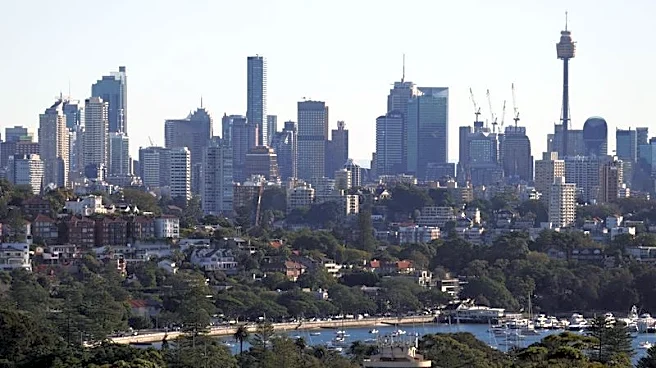
The Albanese Government in Australia has inadvertently provided a financial cushion to property investors through its high migration policies, according to economics writer Tarric Brooker. Despite changes in capital gains tax and the phasing out of negative
gearing for established properties, the government's approach has sustained rental demand, leading to a 39% increase in national asking rents since May 2022. This contrasts with lower rent growth in countries like the United States, New Zealand, and Canada. Australia's net overseas migration was 301,000 people in the year to December 2025, contributing significantly to the country's population growth and maintaining pressure on the rental market. This situation has been beneficial for landlords, providing them with a steady demand for rental properties despite rising costs and interest rates.
Why It's Important?
The sustained demand for rental properties due to high migration levels has significant implications for the Australian housing market. While it benefits property investors by ensuring occupancy and allowing for rent increases, it exacerbates the rental crisis for tenants. The government's migration policy, while supporting economic growth, has also contributed to a housing deficit, as construction has not kept pace with demand. This situation highlights the complex balance between economic policies and their social impacts, particularly in housing affordability and availability. The ongoing rental crisis underscores the need for comprehensive housing strategies that address both supply and demand factors.
What's Next?
As Australia continues to experience high migration levels, the pressure on the housing market is likely to persist. The government may face increasing calls to address the housing shortage through policy adjustments, such as incentivizing construction or revising migration targets. Property investors will need to navigate the changing landscape of tax policies and interest rates while capitalizing on the strong rental demand. Meanwhile, tenants may continue to face challenges in finding affordable housing, prompting potential policy interventions to protect renters and ensure housing stability.