
What's Happening?
Heifer International is highlighting the critical importance of local information and preparation for smallholder farmers as one of the strongest El Niño events on record intensifies. Experts predict this
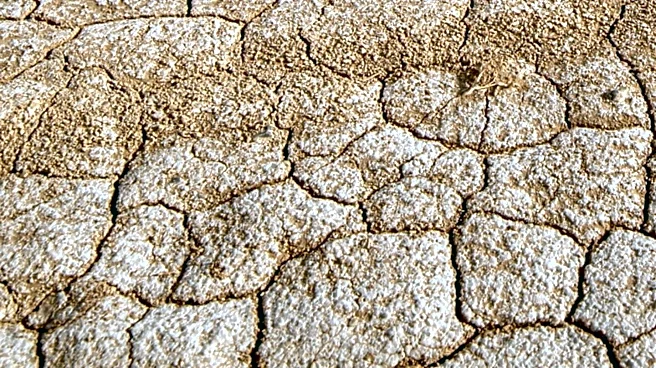
El Niño will reach peak intensity between November 2026 and February 2027, bringing significant disruptions to established weather patterns globally. While some regions face prolonged drought, others are expected to experience unusually heavy rainfall and flooding. Heifer International emphasizes that effective preparation must be grounded in local conditions, as measures that work in one community may not be suitable for another. The organization is developing a proposed preparedness initiative focused on producer organizations in Guatemala, Honduras, and Ecuador to help farmers identify and protect against climate-related risks.
Why It's Important?
Smallholder farmers, who depend heavily on seasonal rainfall for crops and livestock, are particularly vulnerable to the extreme weather conditions brought by El Niño. The consequences of these events, such as reduced crop production, dried-up water supplies, and damaged infrastructure, can devastate livelihoods and lead to long-term food insecurity. The ability of farmers to access resources, training, and timely weather information is crucial for their resilience. Heifer International's focus on local, tailored solutions acknowledges that a one-size-fits-all approach is ineffective. By helping farmers prepare before disaster strikes, the initiative aims to reduce the impacts of extreme weather, protect years of investment, and enable quicker recovery, thereby safeguarding the economic stability and food supply of vulnerable communities.
What's Next?
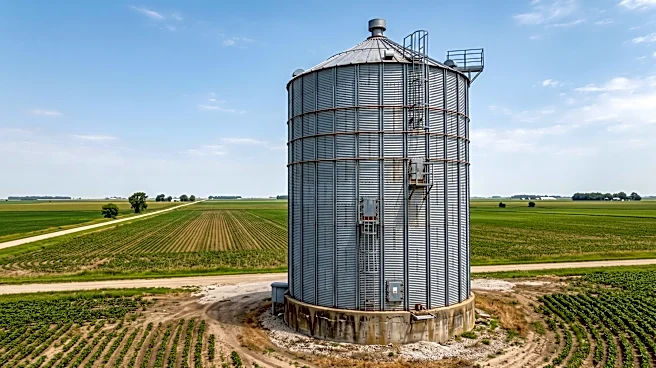
Heifer International's proposed preparedness initiative will focus on helping producer organizations in Guatemala, Honduras, and Ecuador identify their greatest climate-related risks and implement protective measures before conditions worsen. This will involve exploring practical ways to use weather information to guide timely decisions, such as adjusting harvesting activities, protecting storage facilities, improving drainage, and safeguarding livestock. The organization also continues its broader climate and environment work, supporting climate-smart and regenerative agricultural practices, connecting farmers with financial tools, and improving access to agricultural information and services. The goal is to build more resilient agricultural systems and ensure that farmers can preserve their progress and adapt to future climate challenges.
Beyond the Headlines
The emphasis on local preparation and adaptation strategies by Heifer International points to a deeper understanding of climate resilience. It highlights that while global climate patterns like El Niño have widespread effects, their manifestations and the most effective responses are highly localized. This approach challenges the notion of top-down solutions and instead advocates for empowering communities with context-specific knowledge and resources. The long-term implications include fostering greater self-reliance among smallholder farmers, reducing their vulnerability to external shocks, and promoting sustainable agricultural practices that are both environmentally sound and economically viable. This model of localized resilience building is crucial for addressing the complex and varied impacts of climate change on agriculture worldwide.