







What's Happening?
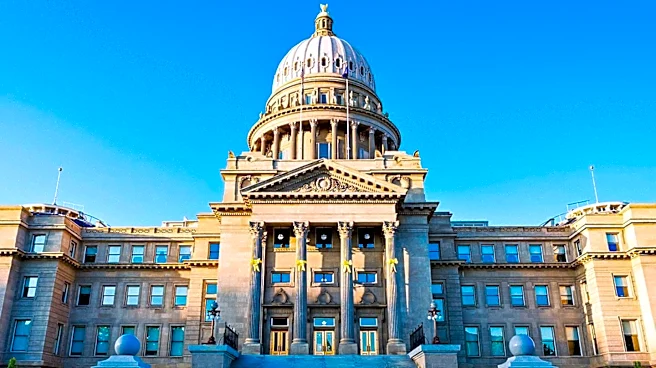
The U.S. Forest Service (USFS) and the Idaho Department of Lands (IDL) have announced five new Good Neighbor Authority (GNA) agreements aimed at expanding active forest management across Idaho's national forests. These agreements include over $12.4 million
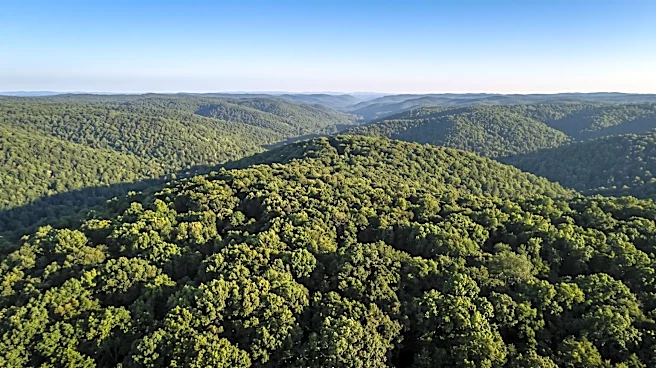
in new federal investments and establish a 20-year framework for long-term collaboration. The funding will support various activities such as timber sale preparation and implementation, hazardous fuels reduction, road improvements, timber salvage, reforestation, post-wildfire recovery, thinning, and watershed protection. Governor Brad Little emphasized that these agreements build on Idaho's success in active forest management and support his 'Make Forests Healthy Again' Executive Order, aiming to accelerate restoration, reduce wildfire risk, and bolster the timber industry and rural communities. The initiative is expected to facilitate more than 100 future GNA timber sales and numerous restoration projects, increasing the pace and scale of forest management.
Why It's Important?
This expanded partnership is crucial for Idaho's environmental health and economic stability. By accelerating forest restoration and hazardous fuels reduction, the agreements are designed to significantly mitigate the risk of catastrophic wildfires, which have increasingly threatened communities and natural resources across the Western U.S. The long-term 20-year framework provides stability and predictability for sustained investment and coordinated planning, fostering a more resilient forest ecosystem. Economically, the initiative supports Idaho's vital timber industry and rural communities by ensuring a sustainable supply of timber and creating local jobs. The collaboration also serves as a model for cross-boundary forest management, demonstrating how state and federal agencies can work together to achieve shared conservation and economic goals, potentially influencing similar efforts in other states facing similar challenges.
What's Next?
With the new agreements in place, the U.S. Forest Service and Idaho Department of Lands will proceed with implementing the planned forest management activities. This includes initiating timber sales, hazardous fuels reduction projects, and various restoration efforts across Idaho's national forests. The 20-year statewide GNA agreement will guide sustained investment and coordinated planning for future projects. Stakeholders, including local governments, tribes, and private industry, are expected to continue their involvement in these collaborative efforts. The success of these projects will be monitored to assess their impact on forest health, wildfire risk reduction, and economic benefits for rural communities. The ongoing appeal of the federal court ruling by the Union Block owner could potentially impact future urban development projects, but it is separate from the forest management initiatives.
Beyond the Headlines
The expanded GNA agreements highlight a broader shift towards collaborative conservation and resource management, recognizing that complex environmental challenges like wildfire risk require integrated approaches beyond traditional jurisdictional boundaries. This partnership underscores the importance of proactive forest management in an era of increasing climate variability and extreme weather events. Beyond the immediate benefits of wildfire reduction and timber production, these efforts contribute to long-term ecological resilience, biodiversity, and watershed health. The sustained investment and long-term framework also reflect a commitment to balancing economic development with environmental stewardship, fostering a more sustainable relationship between human communities and natural landscapes. This model could inspire other regions to adopt similar collaborative strategies for managing shared natural resources.