
What's Happening?
Iran has announced the cessation of its military operations against Israel, according to the Ministry of Foreign Affairs. However, Tehran warned that it would resume hostilities if Israel continues its operations in Lebanon.
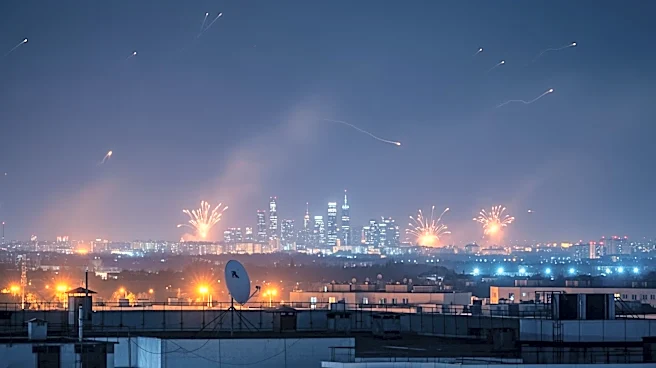
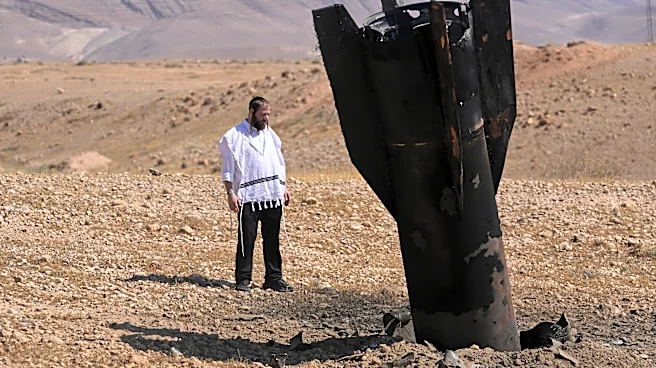
This announcement comes after a series of exchanges between Iran and Israel, including missile strikes and accusations of truce violations. Israeli Prime Minister Benjamin Netanyahu stated that the conflict with Iran and Hezbollah is not over, despite Iran's announcement. The situation remains tense as both sides navigate the fragile ceasefire established in mid-April.
Why It's Important?
The announcement by Iran is crucial as it temporarily halts direct military confrontations with Israel, potentially averting further escalation in the region. However, the warning regarding Lebanon indicates that tensions remain high, and any further military actions could trigger a broader conflict. This development has significant implications for regional stability and international diplomatic efforts to mediate peace. The ongoing tensions also affect global oil markets and economic stability, as disruptions in the region could impact energy supplies and prices.
What's Next?
The international community will likely continue to monitor the situation closely, with diplomatic efforts aimed at maintaining the ceasefire and preventing further escalation. The United States and other global powers may engage in diplomatic dialogues to encourage restraint and promote peace negotiations. Additionally, regional actors, including Lebanon, may seek to mediate between the conflicting parties to prevent further military actions.
Beyond the Headlines
The situation highlights the complex geopolitical dynamics in the Middle East, where multiple actors with competing interests are involved. The potential for renewed hostilities underscores the fragile nature of peace agreements in the region and the challenges of achieving lasting stability. The conflict also raises questions about the role of external powers, such as the United States, in influencing regional outcomes and the broader implications for international security.