
What's Happening?
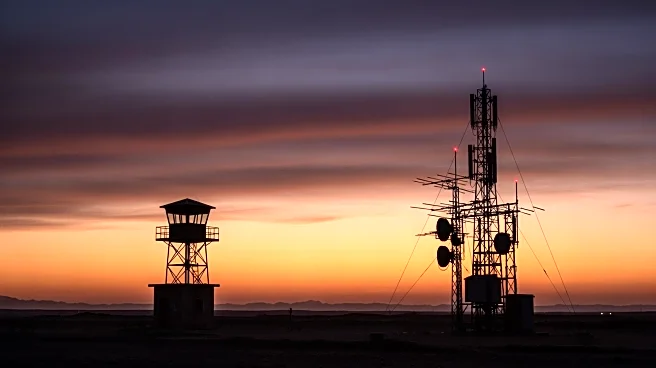
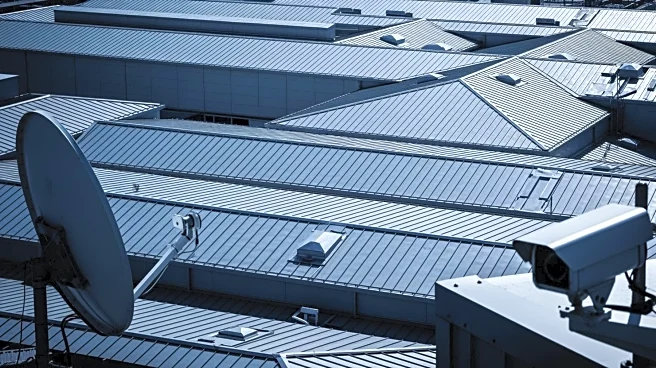
Satellite images have revealed that Iran is constructing roofs over damaged structures at its Natanz and Isfahan nuclear facilities. This development comes after these sites were targeted by the United
States and Israel during a recent conflict. The International Atomic Energy Agency (IAEA) is currently limited to monitoring these sites via satellite imagery, as Iran is denying inspectors access. The newly constructed roofs are obstructing the IAEA's ability to monitor the facilities effectively. Experts suggest that these actions may be part of Iran's efforts to assess and possibly salvage any remaining nuclear materials or components. Iran has not publicly addressed these activities but maintains its right to pursue a nuclear program.
Why It's Important?
The construction of roofs over Iran's nuclear sites is significant as it complicates international efforts to monitor Iran's nuclear activities. This move could potentially hinder the IAEA's ability to ensure that Iran is not advancing its nuclear capabilities beyond agreed limits. The situation also heightens tensions between Iran and Western nations, particularly the United States and Israel, who have been involved in military actions against these sites. The lack of transparency and restricted access for international inspectors could lead to increased geopolitical instability and may prompt further diplomatic or military responses from concerned nations.
What's Next?
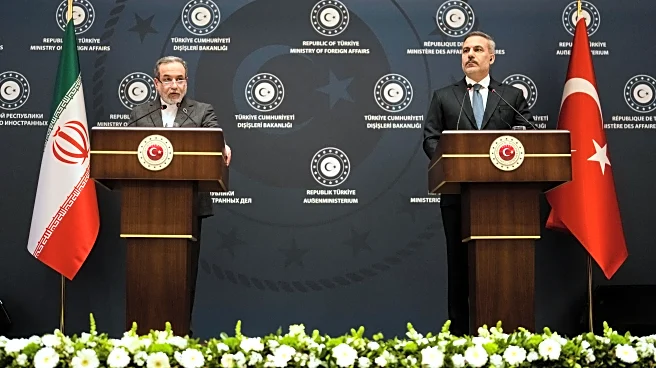
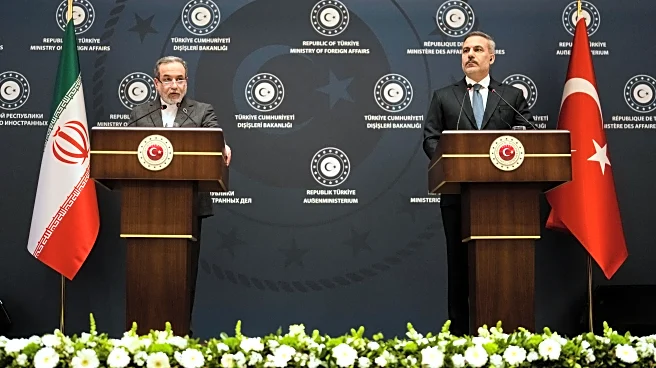
The international community, particularly the United States and its allies, may seek to increase diplomatic pressure on Iran to allow IAEA inspectors access to the nuclear sites. There is also the possibility of further military actions if diplomatic efforts fail to yield results. Iran's continued construction and potential concealment of nuclear activities could lead to renewed negotiations or sanctions aimed at curbing its nuclear program. Additionally, regional players like Turkey are attempting to mediate and prevent further escalation, which could influence future diplomatic engagements.
Beyond the Headlines
The concealment efforts by Iran at its nuclear sites raise ethical and legal questions about the transparency and accountability of nuclear programs. The situation underscores the challenges faced by international bodies like the IAEA in enforcing compliance with nuclear agreements. It also highlights the broader issue of nuclear proliferation and the risks associated with countries pursuing nuclear capabilities in secret. The ongoing tensions could lead to long-term shifts in regional alliances and power dynamics, particularly if diplomatic solutions are not reached.