





What's Happening?
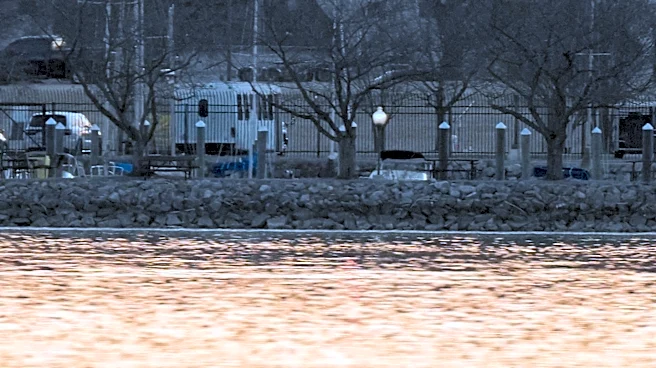
Search operations for a missing boater on the Ohio River near Mt. Vernon, Indiana, have been suspended after three days. The incident began on Saturday morning when two individuals were rescued after their boat capsized, and they were swept downstream
on logs. Upon rescue, they informed first responders that a third person was still in the water. Crews responded to the river just after 9 a.m. on Saturday. Numerous boats and drones were deployed throughout Saturday, but water operations were halted at nightfall due to limited visibility and mobility. The search resumed on Sunday morning and continued before being suspended again on Monday evening. Black Township Fire and Rescue reported that the capsized boat was recovered on Sunday morning. Fire Chief Jay Price indicated that debris and motor issues might have contributed to the accident. The operation has now transitioned from a rescue mission to a recovery operation, focusing on the area between mile marker 830 and 846 on the Ohio River. Rising river levels and heavy debris floating downstream have been identified as significant challenges for the search teams.
Why It's Important?
The suspension of the search for the missing boater on the Ohio River highlights the inherent dangers of recreational activities on large waterways, especially when environmental conditions like strong currents and debris are present. This incident underscores the critical role of inter-agency cooperation in emergency response, with multiple fire departments, conservation officers, and water rescue teams from both Indiana and Kentucky involved. The transition from a rescue to a recovery operation signifies a somber shift in expectations, deeply impacting the local community and the family of the missing individual. It also brings attention to the importance of boat maintenance and awareness of river conditions for boater safety. For emergency services, the challenges posed by rising river levels and debris emphasize the need for specialized training and equipment for water-based search and rescue operations. The event serves as a stark reminder of the unpredictable nature of natural environments and the potential for tragic outcomes when safety precautions are not fully met or when unforeseen circumstances arise.
What's Next?
With the search operation transitioning from rescue to recovery, authorities will likely continue efforts to locate the missing boater's body, though these efforts may be less intensive and more focused on specific areas or conditions. The investigation into the cause of the boat capsizing, particularly regarding the reported motor issues and debris, will likely continue. This could involve examining the recovered boat and interviewing the rescued individuals. The incident may prompt local authorities and boating safety organizations to issue renewed warnings or educational campaigns about safe boating practices on the Ohio River, emphasizing the dangers of strong currents, debris, and the importance of proper vessel maintenance. The community of Mt. Vernon will likely continue to offer support to the family of the missing boater. While the immediate search has been suspended, the long-term impact on the community and discussions around river safety are expected to continue.
Beyond the Headlines
This incident on the Ohio River extends beyond a simple boating accident, touching upon broader themes of community resilience, the psychological impact of loss, and the challenges of managing large natural resources. The shift from rescue to recovery is a profound moment for first responders and the community, marking the acceptance of a tragic outcome and the beginning of a different kind of search. It highlights the emotional toll on emergency personnel who dedicate themselves to saving lives, often in difficult and dangerous conditions. Furthermore, the mention of rising river levels and heavy debris points to potential environmental factors, possibly linked to recent weather patterns or upstream activities, which can significantly increase the hazards of river navigation. This event could also spark discussions about the adequacy of public safety infrastructure along major waterways, including the availability of resources for prolonged search operations and the effectiveness of current warning systems for hazardous river conditions. The collective prayers and support from the Mount Vernon community underscore the strong bonds within small towns during times of crisis.