








What's Happening?
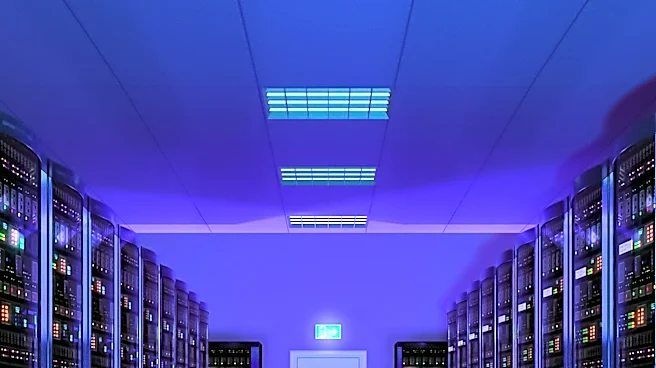
Collin Corbett, an independent candidate for governor of Illinois, has proposed a 'commonsense path forward' for data centers in the state, aiming to balance economic growth with environmental protection and consumer interests. His proposal addresses
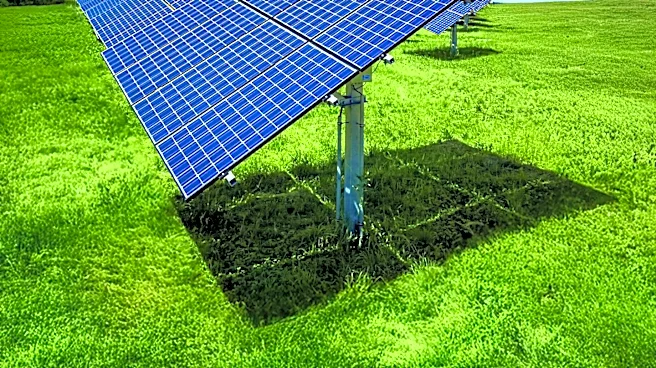
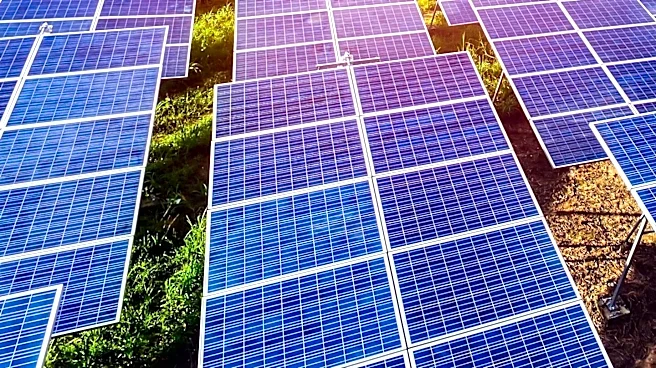
concerns regarding energy consumption, water usage, and tax implications of data centers. Key recommendations include requiring data centers to bear 100% of the cost for their energy and grid infrastructure to prevent increased electric bills for residents. This would involve a 'bring your own generation' model utilizing wind, solar, battery storage, small modular reactors, and natural gas in the short term, with long-term investments in large-scale nuclear and advanced geothermal. Additionally, the plan calls for reducing water consumption by mandating closed-loop cooling systems and incentivizing the use of treated wastewater, along with transparent negotiations, community benefit agreements, and property tax relief measures.
Why It's Important?
This proposal is significant for Illinois as it seeks to establish a sustainable framework for the rapidly expanding data center industry, which has been a source of both economic opportunity and controversy. By advocating for data centers to fully cover their energy and infrastructure costs, the plan aims to protect Illinois ratepayers from potential utility bill increases, a common concern with energy-intensive industries. The emphasis on diverse energy sources, including small modular reactors and advanced geothermal, highlights a forward-thinking approach to energy independence and decarbonization. Furthermore, addressing water consumption and promoting transparency in negotiations are crucial steps towards ensuring that economic development does not come at the expense of natural resources or community well-being, setting a precedent for responsible industrial growth.
What's Next?
The proposal outlines a legislative framework that would require transparent negotiations for data center developments, including mandatory public hearings and an end to perpetual non-disclosure agreements. If adopted, data centers would also be required to publicly report their energy and water usage. The plan suggests that data centers sign binding community benefit agreements with local governments and contribute to a dedicated state property tax relief fund. Additionally, it calls for modernizing Illinois’ Biometric Information Privacy Act (BIPA) to attract top-tier developers while maintaining strict environmental and community standards. The implementation of these measures would depend on legislative action and executive leadership willing to pursue a consensus path forward.
Beyond the Headlines
The debate over data centers in Illinois reflects a broader national challenge of balancing technological advancement with environmental and social responsibilities. The proposal's focus on 'bring your own generation' for energy and responsible water management could serve as a model for other states grappling with the energy and resource demands of data centers and other high-tech industries. The call for transparency and community involvement in development negotiations also points to a growing demand for corporate accountability and local empowerment in economic development decisions. This approach could foster a more equitable and sustainable model for industrial growth, where the benefits are shared more broadly, and the environmental impact is minimized, potentially influencing future policy decisions regarding infrastructure development and resource allocation across the U.S.