




What's Happening?
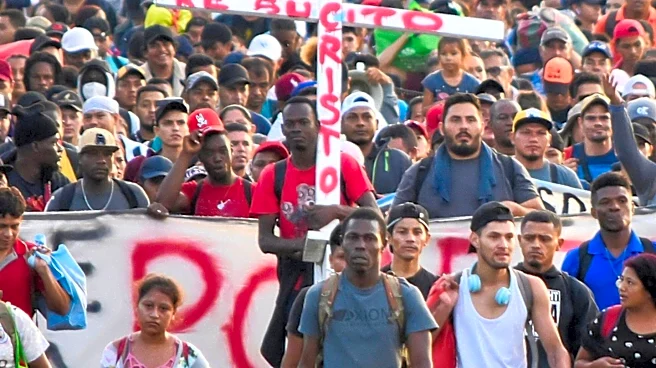
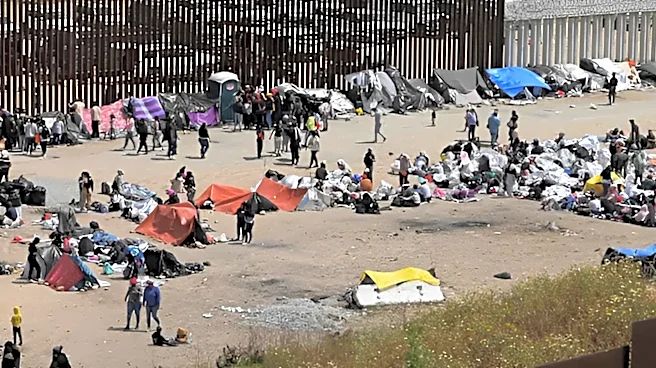
A recent study conducted by the migration cohort of the Public Religion Research Institute (PRRI) fellowship program in June explored the relationship between religious and theological beliefs and attitudes towards immigrants and immigration policies
in the U.S. The survey, which gathered approximately 1,000 responses, specifically examined beliefs such as 'divine election' (the idea that God chooses who will be saved) and the belief that the U.S. has a religious obligation to support Israel. These theological positions were then compared to respondents' views on various immigration policies, including access to public education for undocumented immigrants, the reduction of international refugees, the policy of separating children from their parents at the border, and the prioritization of white South African refugees. Dr. Will McCorkle, who drafted the religion questions for the survey, noted that the research aimed to identify potential correlations between more theologically conservative religious values and anti-immigrant policy positions. The study found statistically significant correlations in some areas, indicating that certain religious ideologies might align with specific stances on immigration.
Why It's Important?
This study is important because it sheds light on the underlying factors influencing public opinion on immigration policies in the United States, particularly the role of religious beliefs. Understanding these correlations can help policymakers, religious leaders, and advocacy groups better comprehend the diverse perspectives within the American public regarding immigration. The findings suggest that theological views, even when controlling for political party affiliation, can significantly shape attitudes towards immigrants and related policies. For instance, a higher percentage of respondents who believe in 'divine election' also supported efforts to reduce the number of international refugees and opposed public education for undocumented students. This highlights a potential disconnect between certain theological interpretations and the humanitarian principles often associated with faith-based advocacy for immigrants. The research challenges religious institutions, such as the Presbyterian Church (U.S.A.), which has a long history of pro-immigrant policies, to reflect on how their theological teachings are perceived and how they might implicitly inform broader moral and policy positions among their adherents.
What's Next?
The migration cohort of PRRI is continuing to analyze and publish the results of their survey. Future publications are expected to provide further insights into the complex interplay between religious beliefs and immigration attitudes. The findings are likely to prompt ongoing discussions among clergy, faith leaders, and policymakers about the ethical and theological implications of immigration policies. Dr. McCorkle emphasized that the study's results should encourage thoughtful consideration of how theological expressions might implicitly influence moral values and policy stances. This could lead to increased efforts within religious communities to bridge the gap between theological doctrines and humanitarian advocacy for immigrants, potentially shaping future educational initiatives and advocacy campaigns. The ongoing analysis will also provide a more comprehensive understanding of how different religious groups in the U.S. approach immigration issues, which could inform more targeted and effective outreach strategies by various stakeholders.
Beyond the Headlines
Beyond the immediate policy implications, this study delves into the deeper ethical and cultural dimensions of immigration debates in the U.S. It highlights how deeply held religious beliefs can intersect with and influence societal views on who is considered 'deserving' of welcome and support. The apparent inconsistency between the Presbyterian Church (U.S.A.)'s historical theological positions and its outspoken support for immigrants, as noted by McCorkle, suggests a broader tension within religious communities. This tension raises questions about how religious doctrines are interpreted and applied in contemporary social issues, particularly concerning the concept of universal love and compassion versus more exclusive theological frameworks. The study implicitly calls for a re-examination of how religious teachings are communicated and understood, especially in relation to social justice issues. It underscores the need for religious leaders to explicitly connect theological principles with humanitarian actions, ensuring that faith-based values translate into inclusive and compassionate policy stances. This deeper exploration can foster a more nuanced understanding of the cultural and moral underpinnings of immigration debates, moving beyond purely political or economic arguments.