






What's Happening?
The asteroid Apophis, named after the ancient Egyptian God of chaos, is set to pass by Earth on April 13, 2029, coming closer than many satellites. The asteroid, measuring approximately 1,230 feet, will be visible to the naked eye and is expected to pass within
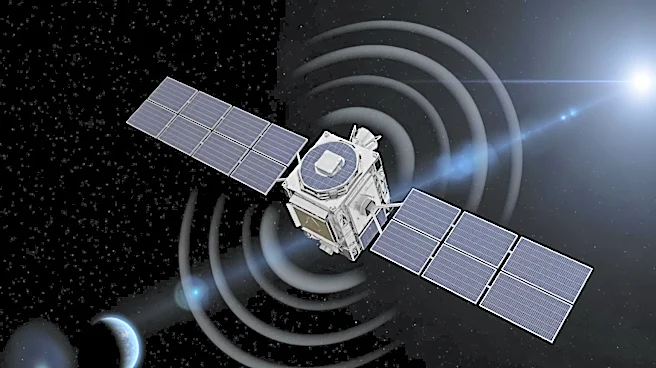
20,000 miles of Earth's surface. Initially discovered in 2004, Apophis was once considered a potential threat due to its size and proximity, but NASA has since ruled out any risk of collision for at least the next 100 years. The European Space Agency plans to observe the asteroid's fly-by to study its interaction with Earth's gravity.
Why It's Important?
The close approach of Apophis presents a rare opportunity for scientists to study a large asteroid up close, enhancing our understanding of such celestial bodies and their potential impact on Earth. This event underscores the importance of continued monitoring and research of near-Earth objects to assess potential threats and develop strategies for planetary defense. The public interest in this event may also increase awareness and support for space exploration and research initiatives.
What's Next?
Following the 2029 fly-by, Apophis will return in 2036, though it will not come as close to Earth. The European Space Agency's mission to observe the asteroid will provide valuable data on its trajectory and physical characteristics, contributing to future research and potential asteroid deflection strategies. The scientific community will likely continue to monitor Apophis and similar asteroids to refine impact risk assessments and improve preparedness for any future threats.