







What's Happening?
The Kenosha Police Department is replacing its Flock Safety license plate reader cameras with Axon's Outpost system. This transition comes as police departments across Wisconsin are facing backlash against Flock Safety due to concerns over mass surveillance
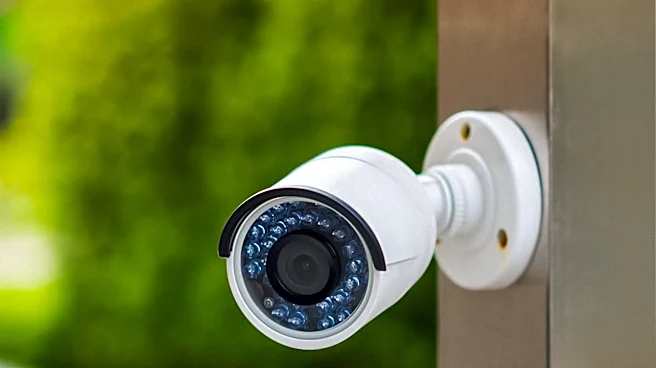
and data misuse. Kenosha signed a long-term contract with Axon in January, a competitor that already provides the department with body cameras, Tasers, and cloud-based evidence systems. The city is in the process of replacing its 31 Flock cameras with 31 Outpost cameras. This shift is partly driven by a desire to move away from the controversy surrounding Flock, despite Kenosha not having reported any misuse of the system by its officers. Kenosha Alderman Art Debaere noted that the city wanted to avoid the 'bad press' associated with Flock. The new Axon Outpost system offers both automated license plate recognition (ALPR) and live video in a single unit.
Why It's Important?
This shift in surveillance technology in Kenosha highlights a broader national debate regarding privacy, public safety, and the increasing use of AI-powered tools by law enforcement. The move from Flock to Axon reflects a growing concern among some police departments about the public perception and potential for misuse of surveillance data. While ALPR systems are credited with helping solve crimes, critics, including the ACLU and Privacy Bee CEO Harry Maugans, warn about the risks of data abuse, privacy invasion, and 'function creep.' The fact that Kenosha's new Axon contract was signed without public input raises questions about transparency and community involvement in decisions regarding mass surveillance infrastructure. The incident where Flock attempted to sell 'traffic analytics' data, which police chiefs were unaware was being collected, further erodes trust and underscores the need for clear policies and oversight in the deployment of such technologies.
What's Next?
The Kenosha Police Department will continue to implement Axon's Outpost system, replacing all existing Flock cameras. The department states it has rules in place to prevent officer misuse of license plate data, requiring every search to be associated with a case number and supervisor approval for routine patrol searches. However, the lack of public discussion about the Axon contract raises questions about future transparency. The broader implications suggest that while one company's technology may be replaced, the underlying trend of increasing surveillance capabilities by law enforcement will likely continue. Discussions around data retention, inter-agency sharing, and the potential for new technologies like Axon's Lightpost, which integrates surveillance into streetlights, will remain critical. Stakeholders, including privacy advocates and civil liberties groups, will likely continue to monitor and challenge the deployment and use of these technologies.
Beyond the Headlines
The transition from Flock to Axon in Kenosha underscores a deeper societal tension between security and privacy in the digital age. The 'mass surveillance' capabilities of ALPR systems, regardless of the vendor, raise ethical questions about the constant monitoring of citizens and the potential for a '1984-esque' society, as described by Privacy Bee CEO Harry Maugans. The concern extends beyond individual officer misuse to the systemic implications of collecting vast amounts of data on innocent individuals. The push by companies like Axon to become the 'operating system' for police departments, integrating various technologies, suggests a future where law enforcement's digital footprint is increasingly pervasive. This development necessitates ongoing public discourse, robust policy frameworks, and independent oversight to ensure that technological advancements serve public safety without unduly infringing on fundamental rights and civil liberties.