



What's Happening?
A new analysis by UN Women indicates that an additional 11.7 million women and girls in the Middle East could experience food insecurity by the end of 2026. This projection is attributed to escalating tensions in the region and disruptions to the Strait
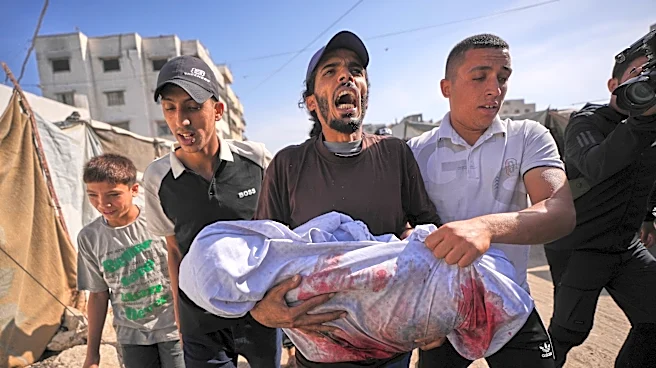
of Hormuz, which are expected to drive up food prices and strain household resources. The analysis, titled 'Food security risks of the Middle East escalation for women and girls,' estimates that women and girls will constitute 53% of the projected 22 million additional people facing food insecurity across 28 analyzed countries. This adds to an existing 208 million women and girls already food insecure or undernourished in these nations. Countries like South Sudan, Sudan, Haiti, Yemen, and Palestine face particularly concentrated risks due to overlapping vulnerabilities. For instance, in Afghanistan, women and girls are estimated to make up 60% of those who could face food insecurity, over 57% in Yemen, and nearly 56% in Sudan.
Why It's Important?
The projected increase in food insecurity for women and girls in the Middle East highlights a critical humanitarian crisis with significant gendered impacts. Women often bear the brunt of food scarcity, frequently eating less and last, or shifting to less nutritious diets to prioritize others' needs. This exacerbates existing gender inequalities in access to food and resources. The lack of access to financial services further compounds the problem, as many women in countries like Iraq, Lebanon, Pakistan, and Yemen lack bank or mobile money accounts, limiting their ability to save, receive aid, or borrow safely. This reliance on informal channels or family members can increase their vulnerability and protection risks. The situation underscores the urgent need for integrated responses that combine food and cash assistance with nutrition, protection, livelihoods, and agricultural support, specifically targeting women and girls.
What's Next?
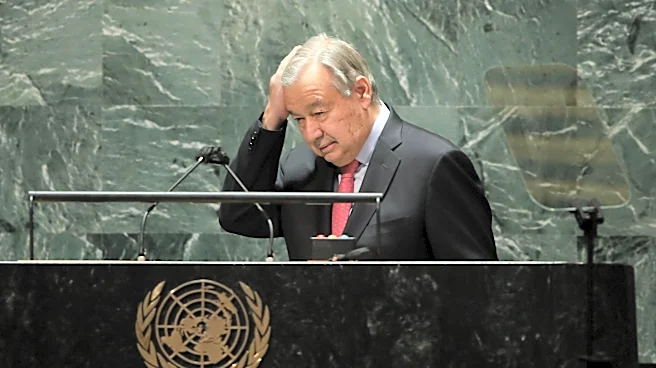
UN Women is advocating for an integrated response that includes food and cash assistance, nutrition, protection, livelihoods, and agricultural support. A key focus is ensuring women's access to land, credit, services, and other productive assets. Resources are urged to be directed to areas where women and girls face multiple, overlapping risks, with timely delivery, especially ahead of agricultural seasons. The organization also emphasizes the need for better data to identify worsening food insecurity and its specific impacts on women and girls, such as reduced food intake, loss of livelihoods, increased unpaid care work, and heightened nutrition and protection risks within households. Furthermore, UN Women calls for de-escalation of conflicts and adherence to international law, echoing the Secretary-General's appeal for diplomatic solutions to advance regional and international peace and security.
Beyond the Headlines
The disproportionate impact of food insecurity on women and girls reveals deeper societal and cultural issues, where gender roles often dictate who eats first and how resources are allocated within households. This crisis is not merely about food shortages but also about systemic gender inequalities that are amplified during times of conflict and economic instability. The long-term implications include increased maternal mortality, severe malnutrition among pregnant women, and a cycle of poverty that can affect future generations. Addressing this requires not only immediate humanitarian aid but also sustained efforts to empower women economically, improve their access to education and healthcare, and challenge discriminatory social norms. The crisis also highlights the interconnectedness of conflict, climate change, and food security, demanding a holistic approach to global stability and human rights.