
What's Happening?
The Macon-Bibb Pedestrian Safety Review Board recently convened a safety summit at the Bibb County Professional Learning Center to inaugurate National Pedestrian Safety Month. This event brought together
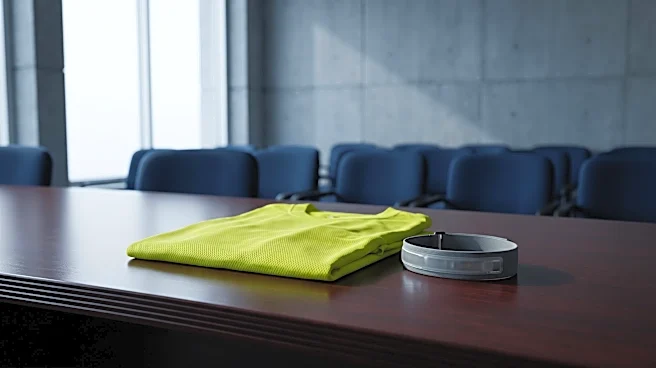
community leaders and residents to discuss and implement strategies aimed at improving the safety of local streets for pedestrians, cyclists, and drivers. Attendees were informed about ongoing local roadway safety initiatives and contributed their own ideas for enhancements. A key component of the summit included the distribution of flashing armbands and safety shirts, intended to increase the visibility of individuals using the roads. The gathering also served as a moment to honor Louis Michael Ryan, a former board member who passed away while cycling, an activity he passionately advocated for. Additionally, the principal of Burdell-Hunt Elementary School highlighted the tragic death of 9-year-old Ta’meyah Williams in a pedestrian crash last month, underscoring the urgent need for greater awareness and safety measures. Gregory Brown, chair of the Pedestrian Safety Review Board, emphasized the collaborative effort required to achieve their mission of ensuring safety for all road users.
Why It's Important?
This initiative by the Macon-Bibb Pedestrian Safety Review Board is crucial for several reasons, primarily focusing on public health and safety within the community. The increasing number of pedestrian and cycling accidents, as tragically exemplified by the deaths of Louis Michael Ryan and Ta’meyah Williams, highlights a critical need for proactive safety measures. By fostering collaboration among community leaders and residents, the summit aims to create a more secure environment for vulnerable road users. The distribution of safety gear, such as flashing armbands and shirts, directly addresses the issue of visibility, which is a significant factor in many accidents. Furthermore, raising awareness through such events can lead to behavioral changes among drivers, pedestrians, and cyclists, ultimately reducing the incidence of injuries and fatalities. The focus on local roadway safety efforts also signifies a commitment to addressing specific community needs, potentially leading to tailored solutions that are more effective than generic safety campaigns. This collective approach is vital for building a culture of safety and responsibility on the roads, impacting the well-being of all Macon-Bibb County residents.
What's Next?
Following the kick-off summit, the Macon-Bibb Pedestrian Safety Review Board is expected to continue its efforts throughout National Pedestrian Safety Month and beyond. The insights and ideas gathered from community leaders and residents will likely inform future safety initiatives and policy recommendations. There will likely be ongoing campaigns to distribute safety gear and promote awareness regarding safe road practices for pedestrians, cyclists, and drivers. The board, as stated by its chair Gregory Brown, plans to maintain its collaborative approach, working with various stakeholders to implement comprehensive safety strategies. This could include advocating for infrastructure improvements, such as better crosswalks, sidewalks, and bike lanes, to enhance physical safety. Additionally, educational programs targeting schools and community groups may be expanded to instill safe habits from a young age. The remembrance of Louis Michael Ryan and Ta’meyah Williams will likely serve as a continuous reminder of the importance of these efforts, driving the board to pursue its mission with renewed vigor and commitment to prevent future tragedies.
Beyond the Headlines
The Macon-Bibb Pedestrian Safety Review Board's initiative extends beyond immediate safety measures, touching upon deeper societal and ethical considerations. The emphasis on community collaboration underscores the idea that road safety is a shared responsibility, requiring active participation from all residents, not just law enforcement or urban planners. This approach can foster a stronger sense of community ownership and collective well-being. Ethically, the tragic deaths highlighted at the summit bring to the forefront the moral imperative to protect vulnerable road users, especially children. It challenges the community to re-evaluate urban planning and transportation policies to prioritize human life over vehicular speed or convenience. Culturally, promoting pedestrian and cycling safety can encourage more active modes of transportation, leading to potential long-term benefits for public health and environmental sustainability. By making streets safer, the community can become more walkable and bikeable, fostering a healthier and more connected populace. This shift could also lead to a re-imagining of public spaces, making them more inclusive and accessible for everyone, regardless of their mode of transport.