


What's Happening?
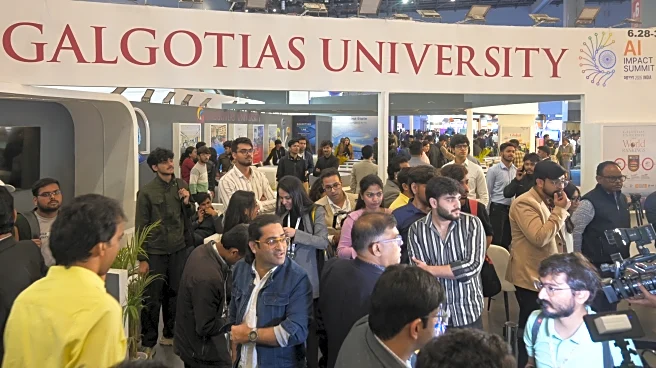
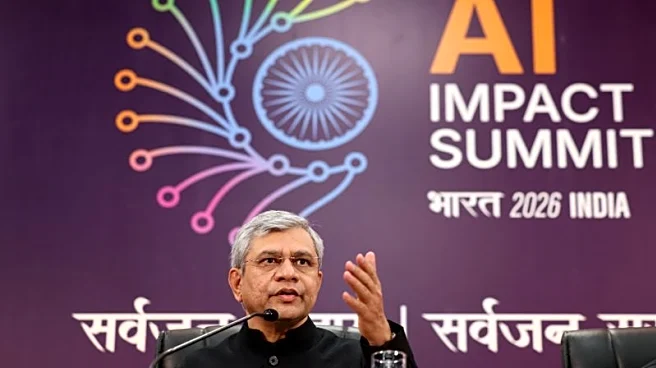
The India AI Impact Summit 2026, held in New Delhi, focused on the integration of artificial intelligence (AI) into primary healthcare and the readiness of frontline health workers to adopt these technologies. The summit brought together leaders from
government, academia, and global institutions to discuss the practical realities of implementing AI in healthcare. Key topics included the need for role-based competencies, ethical safeguards, and effective implementation pathways to ensure safe and scalable adoption of digital tools. Dr. Sachin Sharma emphasized the importance of skilling and reskilling healthcare workers, while Dr. Mona Duggal highlighted the need for medical education to adapt to technological advancements. The summit underscored the necessity of AI literacy across all levels of the healthcare system, not just within tech teams.
Why It's Important?
The integration of AI into primary healthcare has the potential to revolutionize patient care by enabling smarter triage, faster diagnosis, and improved population health management. However, the successful implementation of AI requires healthcare workers to be adequately trained and prepared. This is crucial for ensuring that AI tools are used effectively and ethically, minimizing risks and maximizing benefits. The summit's discussions highlight the broader significance of AI in healthcare, emphasizing the need for a comprehensive approach to workforce readiness. This includes rethinking medical curricula, fostering cooperation across resource-constrained settings, and ensuring that digital health education is accessible to all healthcare professionals.
What's Next?
The next steps involve implementing the insights and recommendations from the summit to enhance AI readiness in primary healthcare. This includes revising medical education to incorporate AI tools, providing structured digital health education, and fostering international cooperation to learn from best practices in other countries. Stakeholders, including government agencies, educational institutions, and healthcare organizations, will need to collaborate to create an ecosystem that supports the safe and effective use of AI in healthcare. Additionally, ongoing evaluation and adaptation of AI tools will be necessary to address the evolving needs of the healthcare system.
Beyond the Headlines
The integration of AI into healthcare raises important ethical and cultural considerations. Ensuring that AI tools are used responsibly requires a balance between technological advancement and human oversight. The summit highlighted the need for healthcare workers to maintain core skills and critical thinking abilities, even as they adopt new technologies. This balance is essential to prevent overdependence on AI and to empower healthcare professionals to become the most productive versions of themselves. The discussions also pointed to the potential for AI to reshape the future of healthcare, necessitating a shift in how medical and engineering disciplines collaborate.