


What's Happening?
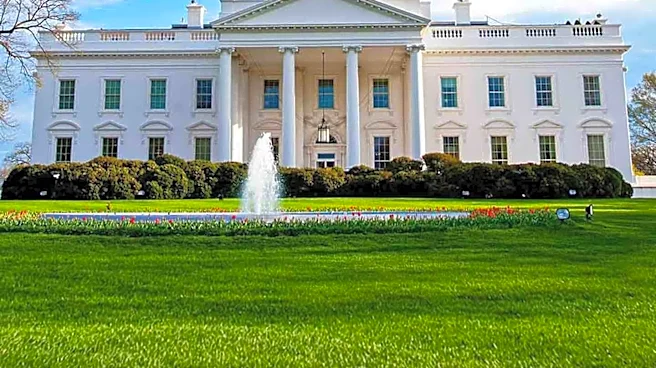
U.S. courts are consistently ruling in favor of First Amendment rights, pushing back against efforts by the Trump administration to restrict free speech and press. Recent decisions include a federal judge in Washington ordering the White House to restore
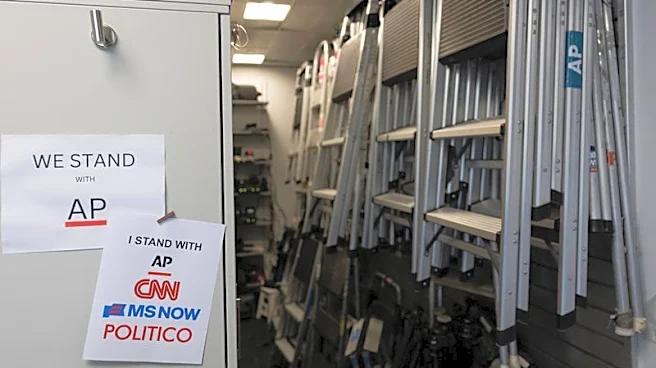
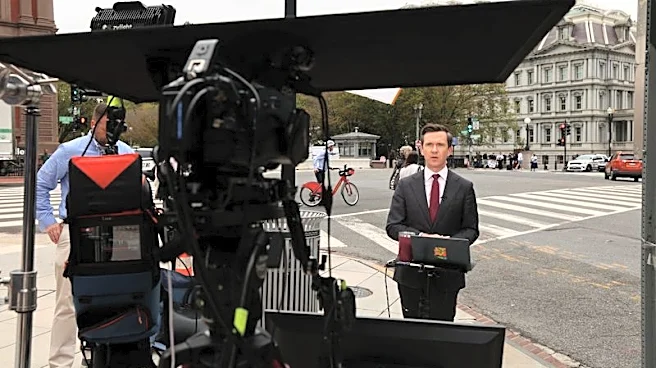
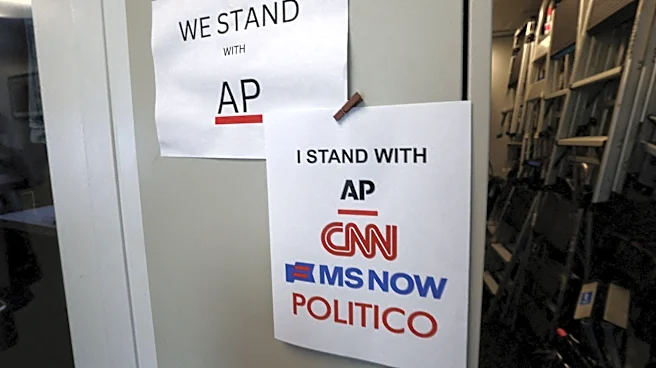
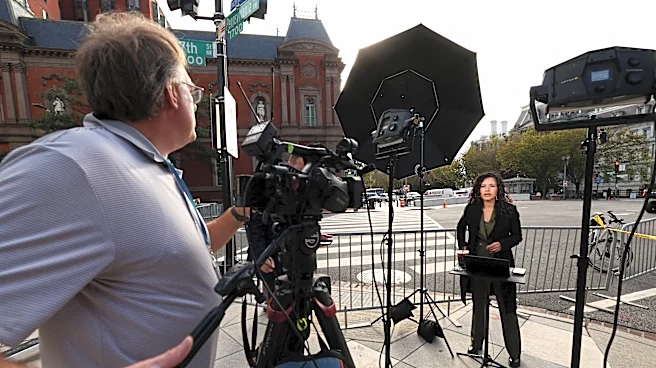
access for CNN, MS NOW, and Politico, and an Iowa district judge dismissing President Trump’s lawsuit against pollster J. Ann Selzer and the Des Moines Register, affirming that the Iowa Poll and its reporting are protected political speech. These rulings follow a trend, with Reuters reporting 75 federal rulings since President Trump’s second inauguration finding his administration infringed on First Amendment rights, including freedoms of speech, religion, and the press. Judges have also criticized the administration for violating the First Amendment rights of ICE critics, silencing the Voice of America network, and issuing secret subpoenas to news organizations. An Oregon judge blocked the administration from enforcing a rule against noisy protests outside federal buildings, reinforcing that loud speech is protected. Additionally, several free-speech battles during President Trump’s second term have involved the detention and deportation of foreign-born students and activists for pro-Palestinian advocacy, with judges ordering some releases.
Why It's Important?
The consistent defense of First Amendment rights by U.S. courts is crucial for maintaining the integrity of democratic processes and protecting fundamental freedoms. These rulings underscore the judiciary's role as a check on executive power, particularly concerning speech and press freedoms. The decisions impact journalists, activists, and the general public by reaffirming their right to express opinions, report news, and protest without undue government interference. For media organizations, the restoration of White House access and the dismissal of lawsuits against pollsters and news outlets are vital for their ability to conduct independent reporting and hold power accountable. The broader implications extend to civil liberties, ensuring that the government cannot easily suppress dissenting voices or control narratives. The ongoing legal battles also highlight the tension between government actions and constitutional protections, setting precedents for future administrations and their interactions with the press and public speech.
What's Next?
Despite recent setbacks, media lawyers anticipate the Trump administration will continue to target disfavored news outlets. The emergency order regarding White House press access is temporary, lasting two weeks, with a broader legal battle expected to unfold. President Trump's legal team has vowed to appeal the Iowa case ruling. Numerous other free-speech cases are pending, including Disney/ABC’s lawsuit against the FCC and The New York Times’ lawsuit concerning Pentagon press access restrictions. Free-speech advocates and media executives expect continued challenges, with one executive noting President Trump is "always testing, testing" to see what he can get away with. The legal system will likely remain a critical arena for defining the boundaries of free speech and press in the U.S., with ongoing litigation shaping future interpretations and enforcement of the First Amendment.
Beyond the Headlines
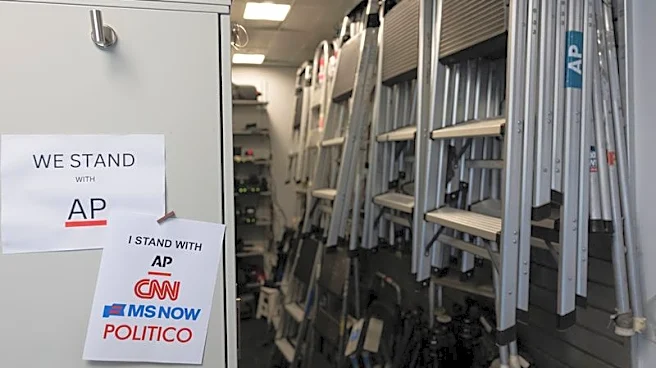
The repeated judicial interventions against the Trump administration's actions regarding free speech and the press reveal a deeper struggle over the definition and limits of governmental power in a democratic society. The administration's attempts to label certain news as 'fake news' and to restrict access or sue media outlets raise concerns about the weaponization of legal and administrative tools to control public discourse. The solidarity shown by major news outlets in response to the White House ban on certain media organizations highlights the collective responsibility felt within the press to defend its role. This ongoing conflict could lead to a re-evaluation of press freedoms and the role of the judiciary in safeguarding them, potentially influencing future legislation or judicial interpretations of the First Amendment. The ethical implications of government attempts to silence critics or control information flow are significant, impacting public trust in institutions and the health of democratic debate.