






What's Happening?
The U.S. military has undergone significant transformations from its inception in 1776 to the present day, evolving from a collection of local militias to a global military powerhouse. Initially, the Continental Army was equipped with British-designed
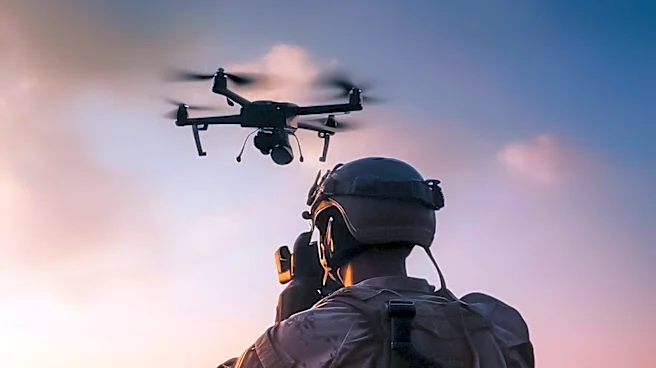
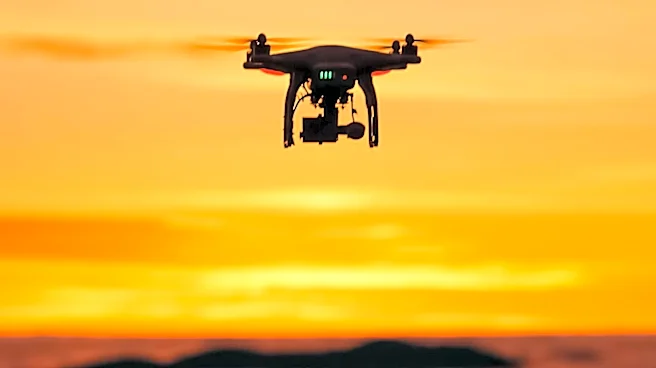
muskets and artillery, but over the centuries, the U.S. military has integrated advanced technologies such as tanks, aircraft, and nuclear weapons. Key developments include the use of tanks and air power in World War I, the atomic bomb in World War II, and the introduction of advanced missile systems during Operation Desert Storm. The current focus is on integrating drones and cyber capabilities, with future plans involving sixth-generation fighter jets and enhanced cyber warfare strategies.
Why It's Important?
The evolution of the U.S. military reflects broader shifts in global military strategy and technology. The integration of advanced technologies has allowed the U.S. to maintain its status as a dominant military force, influencing global geopolitics and defense policies. The focus on drones and cyber capabilities highlights the changing nature of warfare, where technological superiority and adaptability are crucial. This evolution impacts defense spending, military alliances, and the U.S.'s ability to respond to international conflicts. The military's advancements also drive innovation in the defense industry, affecting economic stakeholders and technological development.
What's Next?
The U.S. military is expected to continue its focus on integrating drones and cyber capabilities into its operations. The development of sixth-generation fighter jets and advanced cyber warfare strategies will likely redefine military tactics and defense policies. These advancements may lead to increased defense spending and further innovation in military technology. The U.S. will need to navigate the challenges of maintaining technological superiority while addressing ethical and strategic considerations in modern warfare.
Beyond the Headlines
The shift towards drone and cyber warfare raises ethical and legal questions about the conduct of military operations. The use of autonomous systems and cyber capabilities challenges traditional notions of warfare and accountability. Additionally, the reliance on technology may create vulnerabilities, as adversaries develop countermeasures and exploit weaknesses in digital infrastructure. The U.S. military's evolution also reflects broader societal changes, as technological advancements influence public perceptions of security and defense.