




What's Happening?
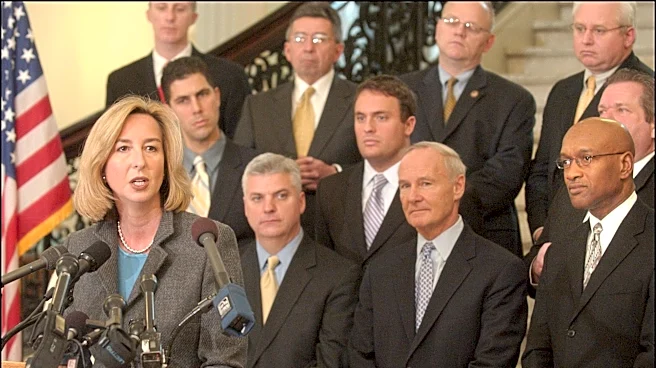
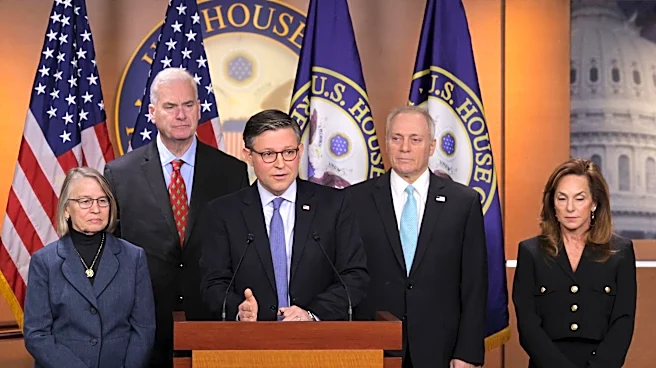
U.S. Rep. Pat Ryan, representing New York’s 18th Congressional District, has celebrated the House of Representatives' passage of the Major Richard Star Act (H.R.2102). This bipartisan bill aims to restore full benefits to combat-wounded veterans by allowing
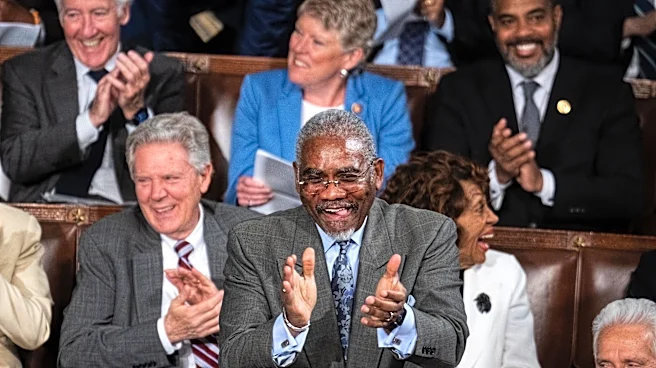
them to receive both their military retirement pay and disability compensation. Under the current system, disability compensation is offset against retirement pay, effectively reducing the total benefits received by veterans with combat-related disabilities. Ryan, who is co-chair of the Democratic Veterans Congress and an original co-sponsor of the bill, issued a joint statement on November 13 alongside U.S. Reps. Chris Deluzio (D-PA) and Ted Lieu (D-CA), emphasizing the importance of ensuring that veterans wounded in service do not face financial burdens for their care. The bill passed the House with a significant majority, 392-18, and is now awaiting consideration in the Senate.
Why It's Important?
The passage of the Major Richard Star Act in the House marks a significant step towards rectifying a long-standing issue affecting combat-wounded veterans. This legislation is poised to be the largest expansion of veterans' benefits in years, addressing what many consider an 'un-American' practice of reducing retirement pay due to disability compensation. For thousands of veterans across the U.S., this act would provide much-needed financial relief and recognition for their sacrifices. It directly impacts their ability to afford healthcare and maintain a stable quality of life after service. The bill's broad bipartisan support in the House signals a strong national consensus on the need to support veterans, potentially influencing future legislative efforts related to military benefits and veteran welfare. Its successful enactment would demonstrate a commitment to ensuring that those who have served and been injured in combat receive the full benefits they have earned.
What's Next?
The Major Richard Star Act has been received by the Senate, where it will require a simple majority vote to pass. Following Senate approval, the bill would then proceed to the President for signature to become law. Given the overwhelming bipartisan support it received in the House, there is a strong likelihood of its passage in the Senate. Veterans' advocacy groups and organizations will likely intensify their lobbying efforts to ensure swift action in the Senate. Should it become law, the Department of Veterans Affairs and the Department of Defense will need to implement the necessary administrative changes to ensure that eligible veterans begin receiving their full, un-offset benefits. This could involve significant adjustments to payment systems and outreach to inform affected veterans about the changes and how to access their restored benefits.
Beyond the Headlines
Beyond the immediate financial relief for veterans, the Major Richard Star Act carries broader implications for how the nation values and supports its service members. Its passage could set a precedent for re-evaluating other areas where veterans' benefits might be perceived as inadequate or unfairly structured. Ethically, the bill addresses a moral imperative to fully compensate those who have sustained life-altering injuries in defense of the country, reinforcing the social contract between the military and the nation. Culturally, it could foster greater public awareness and appreciation for the sacrifices made by combat veterans, potentially influencing civilian-military relations and encouraging more comprehensive support systems. The estimated $12 billion investment in veterans' benefits also highlights the significant economic commitment required to uphold these promises, underscoring the long-term financial responsibilities associated with military service and conflict.