


What's Happening?
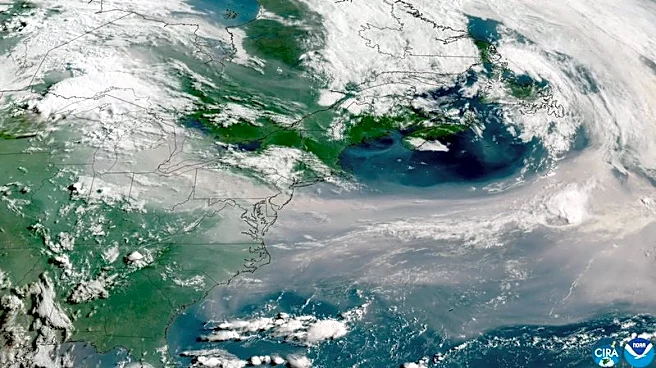
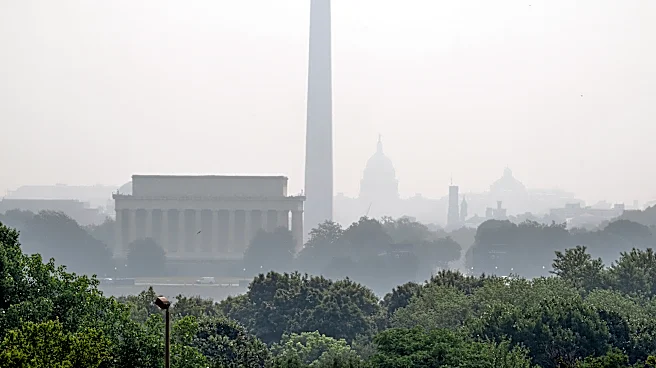
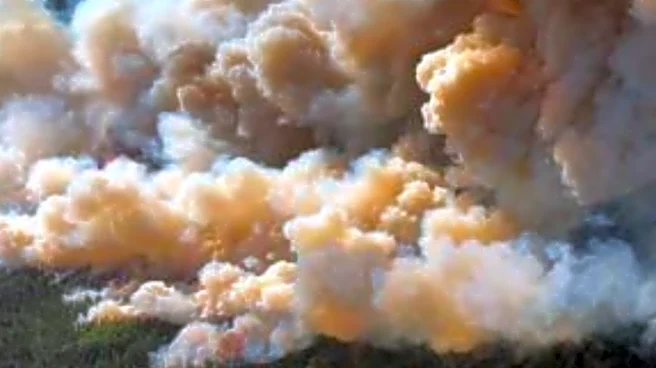
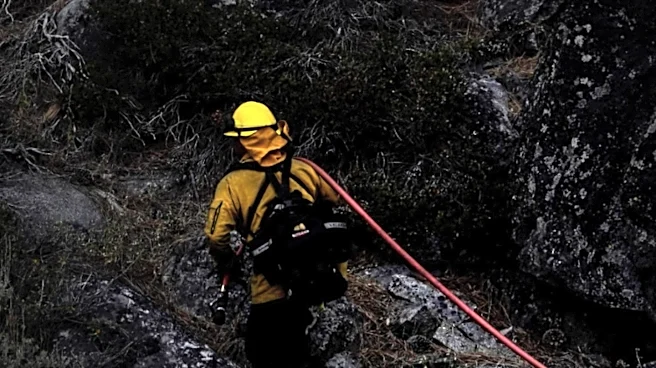
As wildfire smoke from Ontario, Canada, and northern Minnesota spreads across the U.S., air quality in regions from Minnesota to Virginia has been classified as 'very unhealthy' by the federal AirNow air quality monitor. This has led to a heightened interest
in air filters and purifiers, particularly homemade solutions. The Environmental Protection Agency (EPA) has issued public health alerts due to the high levels of particulate matter, which pose serious health risks, especially to children, older adults, and individuals with heart or lung conditions. The situation has prompted many to seek ways to improve indoor air quality, including the use of DIY air purifiers made from box fans and MERV 13 filters. These homemade devices, along with HEPA air purifiers, are recommended as effective temporary solutions to mitigate the impact of smoke indoors.
Why It's Important?
The spread of wildfire smoke across large parts of the U.S. underscores the growing environmental challenges posed by climate change and the need for effective public health responses. The health implications are significant, as exposure to fine particulate matter can lead to respiratory and cardiovascular issues. The situation highlights the importance of accessible and affordable air purification solutions, especially for vulnerable populations. The increased demand for air purifiers also reflects a broader awareness and concern about air quality and its impact on health. This trend may drive innovation and policy changes aimed at improving air quality standards and emergency response strategies.
What's Next?
As the wildfire season progresses, it is likely that more regions will experience similar air quality challenges, prompting further public health advisories and potentially leading to increased regulatory scrutiny on air quality management. Communities may see a rise in initiatives to distribute air purifiers and educate the public on effective air quality management practices. Additionally, there may be increased advocacy for policies addressing the root causes of wildfires and climate change, as well as investments in infrastructure to better monitor and respond to air quality issues.
Beyond the Headlines
The current situation may lead to a reevaluation of building standards and HVAC systems to better handle air quality crises. There could be a push for more sustainable urban planning and development practices that incorporate air quality considerations. The reliance on DIY solutions also highlights socioeconomic disparities in access to clean air, which may spur discussions on equity and environmental justice. Long-term, this could influence public policy and funding priorities, emphasizing the need for comprehensive strategies to address both the symptoms and causes of poor air quality.