




What's Happening?
Bob Moses, a prominent civil rights activist, played a crucial role in voter registration efforts in Mississippi during the 1960s. He led the Council of Federated Organizations (COFO), which was instrumental in organizing voter efforts in the state. COFO,
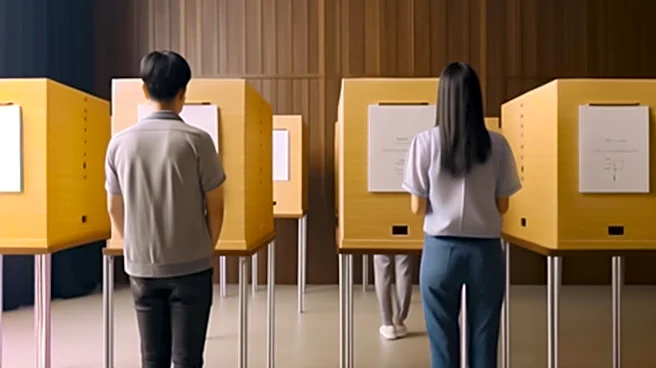
encompassing groups like SNCC, CORE, NAACP, and SCLC, aimed to counteract voter suppression tactics that disenfranchised African Americans. In 1963, COFO organized the Freedom Vote, a mock election to demonstrate the desire of Black Mississippians to vote, with nearly 80,000 participants. This initiative highlighted the systemic barriers faced by Black voters and led to the formation of the Mississippi Freedom Democratic Party (MFDP). Despite federal interventions during Reconstruction, Mississippi implemented measures like poll taxes and literacy tests to suppress Black voters, a practice that persisted into the Jim Crow era.
Why It's Important?
The efforts led by Bob Moses and COFO were pivotal in challenging the systemic disenfranchisement of African Americans in Mississippi. These actions not only highlighted the desire of Black citizens to participate in the electoral process but also exposed the discriminatory practices that prevented them from doing so. The Freedom Vote and subsequent formation of the MFDP were significant in drawing national attention to the civil rights struggles in the South. These efforts contributed to the eventual passage of landmark legislation like the Voting Rights Act of 1965, which aimed to eliminate racial discrimination in voting. The historical context of voter suppression in Mississippi underscores the ongoing challenges in achieving equitable voting rights in the U.S.