








What's Happening?
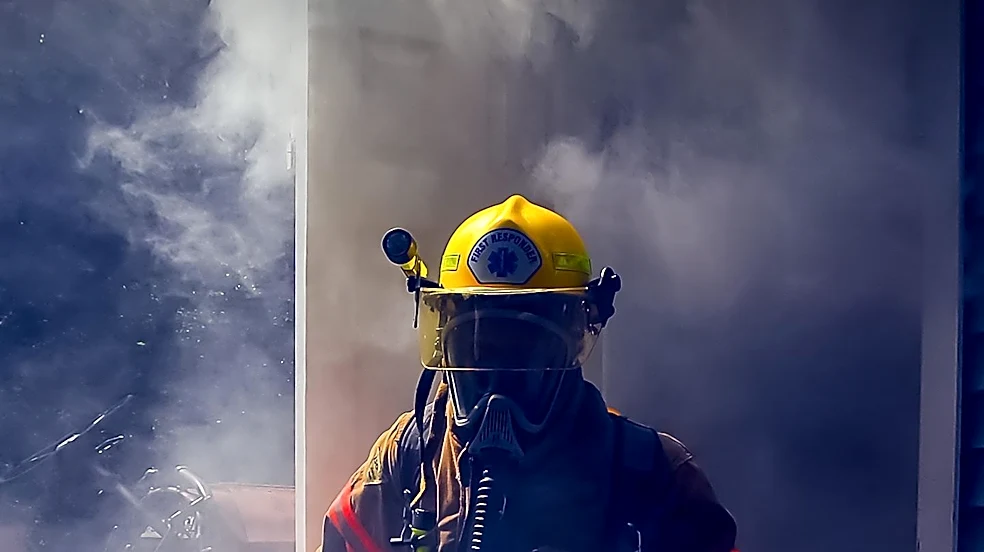
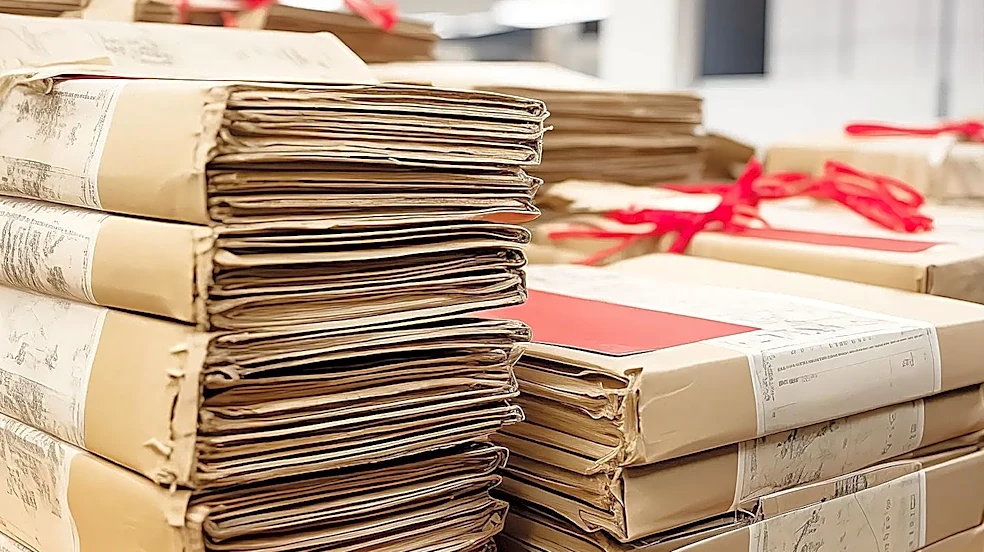
A significant archive of Dakota and Ojibwe language historical records, housed in the Minnesota Chippewa Tribe building on East Franklin Avenue in Minneapolis, miraculously survived a recent three-alarm fire. The fire, which began at the connected Franklin Dollar
City Plaza, caused extensive smoke and water damage to other parts of the building, but the room containing the archive remained untouched. Wicoie Nandagikendan, the organization responsible for the archive, described the survival as if a 'safety bubble' protected the room. Native American leaders had initially feared the loss of the state's largest Dakota language archives, including recordings of elders' stories on old tapes. The archive is now being moved to The Family Partnership's Lake Street location, where it will be stored in a basement vault, an interim solution until a permanent home is found or the records are digitized. Classes at Four Directions Family Partnership will continue without interruption, with educational staff working from shared office space.
Why It's Important?
The survival and relocation of the Dakota and Ojibwe language archive is profoundly important for cultural preservation and indigenous communities in the U.S. These archives are invaluable repositories of linguistic heritage, oral traditions, and historical knowledge that are critical for maintaining and revitalizing indigenous languages. The potential loss of these records would have been an irreparable blow to efforts to teach and transmit these languages to future generations, impacting cultural identity and continuity. The temporary storage in a bank vault underscores the urgent need for secure and climate-controlled facilities for such sensitive materials. This event highlights the vulnerability of cultural assets to unforeseen disasters and the ongoing challenges faced by indigenous organizations in safeguarding their heritage. The community's swift action to protect and relocate the archive demonstrates a strong commitment to cultural resilience and the importance of these languages to their identity.
What's Next?
Wicoie Nandagikendan's administrative offices will remain closed until further notice, with the organization actively seeking a temporary location for its operations and interim offices for other tribal urban offices affected by the fire. The immediate next step involves securely housing the archive in The Family Partnership's bank vault while exploring options for digitization and a more permanent, dedicated facility. The organization is also hosting an Intertribal Community Feast, utilizing traditional foods salvaged from the building's freezer, to foster community spirit and provide support. This event will also serve as a gathering point for volunteers to assist in salvaging other items. The cause of the fire remains under investigation by fire officials. The long-term goal will likely involve securing funding and resources for a state-of-the-art facility to ensure the permanent preservation and accessibility of these vital linguistic and historical records.
Beyond the Headlines
Beyond the immediate relief of the archive's survival, this incident brings to light broader issues concerning the preservation of indigenous cultural heritage in the United States. Many indigenous communities face challenges in securing adequate resources and infrastructure to protect their historical records, languages, and cultural artifacts. The 'safety bubble' phenomenon, while fortunate, underscores the precariousness of relying on chance for preservation. This event could serve as a catalyst for increased awareness and investment in dedicated, resilient facilities for indigenous archives nationwide. It also highlights the ongoing efforts of organizations like Wicoie Nandagikendan to keep indigenous languages alive, which are often endangered due to historical suppression and assimilation policies. The community's response, including the intertribal feast, demonstrates the strength of cultural bonds and collective action in the face of adversity, reinforcing the idea that cultural preservation is a communal responsibility.