





What's Happening?
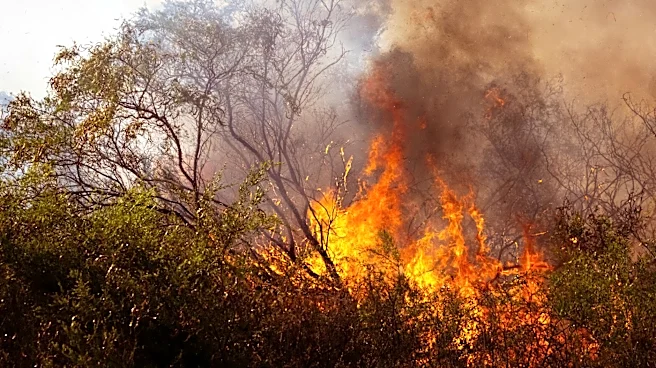
Nonprofit organizations across the United States are being called to integrate climate justice into their missions as climate change continues to exacerbate environmental and social challenges. Recent years have seen a rise in extreme weather events,
such as wildfires in the West, hurricanes in the Gulf of Mexico, and heatwaves in the Pacific Northwest. These events have strained agricultural production and supply chains nationwide. Marginalized communities, including low-income groups, racial minorities, and LGBTQ+ individuals, are disproportionately affected due to systemic inequalities. Nonprofit leaders emphasize the need for organizations to address climate change impacts on the communities they serve, regardless of their primary mission.
Why It's Important?
The call for nonprofits to engage with climate issues highlights the intersectionality of climate change with various social justice causes. As climate change intensifies, it threatens to destabilize political systems and exacerbate existing inequalities, posing a significant threat to human rights. Nonprofits focusing on diverse issues such as LGBTQIA rights, poverty, and public health are urged to consider how climate change affects their work and the communities they support. By addressing climate justice, these organizations can help mitigate the disproportionate impacts on vulnerable populations and contribute to broader environmental resilience efforts.
What's Next?
Nonprofit leaders recommend several strategies for organizations to engage with climate issues, including challenging corporate narratives that downplay climate impacts, raising awareness of the intersections between climate change and other social issues, and building coalitions across movements to enhance collective power. By aligning around shared goals and focusing on real outcomes, nonprofits can play a crucial role in advocating for climate-vulnerable communities and pushing for greater accountability from corporate and governmental actors.