


What's Happening?
Colorado is anticipating a winter influenced by a historic El Niño event, which is expected to peak in December or January as one of the strongest on record, potentially surpassing all events since 1950. The European seasonal model forecasts the 3-month
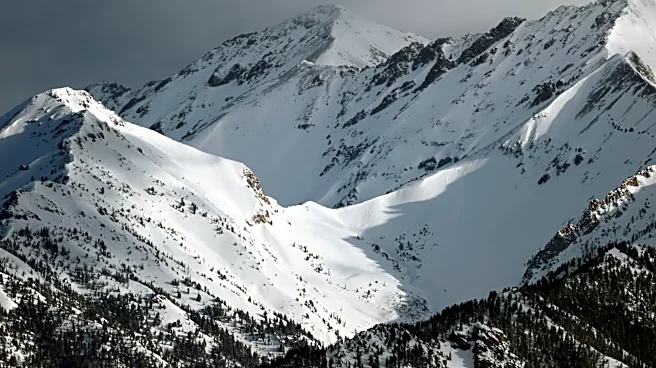
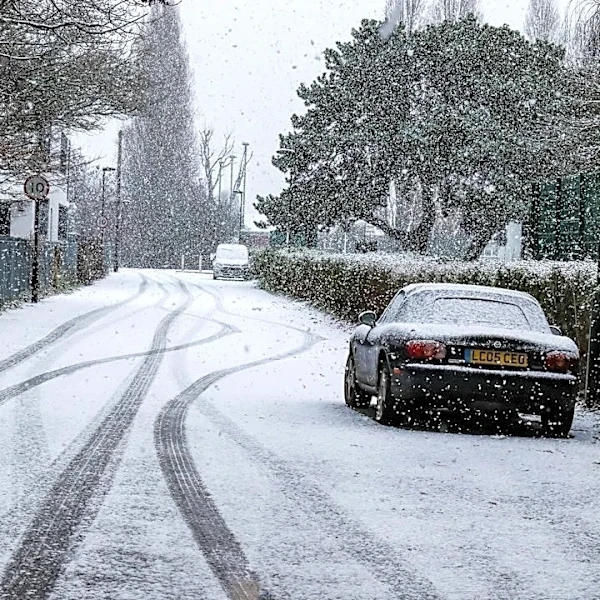
index above +3 °C, and NOAA gives 70–83% odds of it beating every event since 1950. This 'east-based' El Niño, with its warmest waters unusually far east towards South America, is known to have significant effects on West Coast weather. For Colorado, the forecast indicates a split pattern: the eastern plains and southern mountains are expected to lean wet, while the northern and central mountains may experience drier or neutral conditions. Boulder and Denver are projected to be near normal through mid-winter, then tilt wetter into late winter and March, with models giving a 3-in-4 chance of a wetter-than-normal November–March. Historically, strong El Niño winters in Boulder have been 'feast or famine' for snowfall, often decided by spring storms.
Why It's Important?
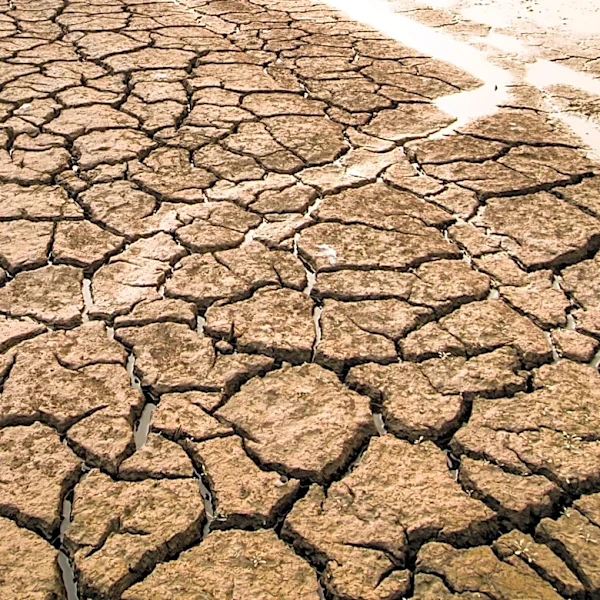
The varied winter forecast for Colorado, driven by this historic El Niño, has significant implications for water resources, agriculture, and the state's vital ski industry. A wetter outlook for the eastern plains and southern mountains could provide much-needed drought relief, benefiting agriculture and replenishing reservoirs. However, drier conditions in the northern and central mountains, where many ski resorts are located, could negatively impact tourism and winter sports, leading to economic losses for those communities. The 'feast or famine' snowfall pattern for Boulder highlights the unpredictability even within a strong El Niño year, posing challenges for water management and recreational planning. The record-warm ocean off the coast is also a wildcard, potentially feeding storms more moisture but also raising snow levels, meaning some would-be snowstorms could turn into rain, further impacting snowpack. This situation underscores the critical need for adaptive water management strategies and diversified economic planning in different regions of the state.
What's Next?
As the El Niño peaks, Colorado residents and industries should prepare for a winter with distinct regional weather patterns. Those in the eastern plains and southern mountains can anticipate increased precipitation, which may help alleviate drought conditions. Conversely, communities and businesses in the northern and central mountains should monitor snowpack levels closely, as drier conditions could affect water supply and winter tourism. For Boulder and Denver, the expectation of a wetter late winter and early spring suggests that significant snowfall or precipitation events could occur later in the season. Water managers will be closely watching snowpack development, particularly in the northern and central mountains, to assess future water availability. The state's Climate Hub will continue to provide updated data and analysis to help communities understand and respond to the evolving weather patterns.
Beyond the Headlines
The unprecedented strength of this El Niño event, potentially the strongest on record, serves as a critical case study for understanding the interaction between natural climate variability and long-term climate change. The 'state divided' weather pattern in Colorado, with some regions experiencing wetter conditions and others drier, illustrates the complex and often localized impacts of global climate phenomena. This situation prompts deeper discussions about regional climate resilience, equitable resource distribution (especially water), and the need for robust, data-driven decision-making in the face of increasing climate uncertainty. The historical 'feast or famine' pattern for snowfall in Boulder during strong El Niños also highlights the challenges of predicting specific outcomes, even with advanced modeling. This event could accelerate research into more precise regional climate forecasting and adaptation strategies, emphasizing the importance of understanding both global drivers and local vulnerabilities.