






What's Happening?
America PAC, a super PAC backed by Elon Musk, has reported spending thousands of dollars to support Republican congressional candidates in Pennsylvania. According to an independent expenditures report, the PAC allocated approximately $36,000 to three
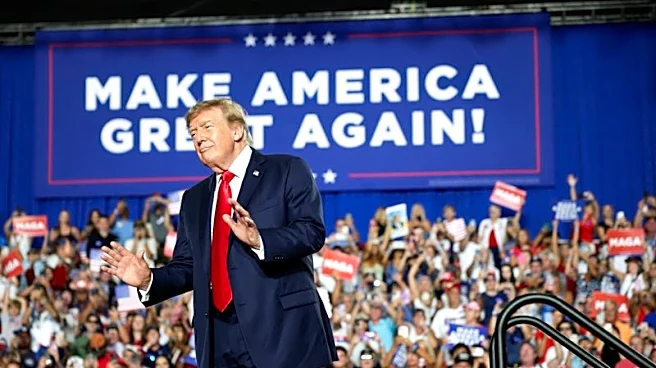
candidates seeking reelection in November: Scott Perry (PA-10), Ryan Mackenzie (PA-7), and Rob Bresnahan (PA-8). Scott Perry, who has been in office since 2013, is set to face Democrat Janelle Stelson for the second time. Ryan Mackenzie, representing Carbon, Lehigh, and Northampton counties, will be challenged by Democrat Bob Brooks. Rob Bresnahan, representing northeastern Pennsylvania, is running against Scranton Mayor Paige Cognetti. The America PAC's total spending across the country amounted to $800,000, with significant investments also made in races in Texas, Maine, and Ohio. Elon Musk, known as the richest person in the world, has been active in supporting President Trump during the 2024 presidential election, including holding speeches in Pennsylvania and offering a $1 million giveaway to voters who signed a petition to support the U.S. Constitution.
Why It's Important?
The financial support from Elon Musk's America PAC highlights the increasing influence of wealthy individuals and super PACs in U.S. congressional elections. This influx of funds can significantly impact campaign dynamics, potentially giving an advantage to the supported candidates through increased advertising and outreach. For the Pennsylvania races, the $36,000 directed to Perry, Mackenzie, and Bresnahan could be crucial in tight contests, especially given that Perry previously defeated Stelson by a narrow margin. The involvement of high-profile figures like Elon Musk also draws national attention to these local races, potentially mobilizing voters and shaping public discourse around the candidates and their platforms. Critics, such as Democrat Bob Brooks, argue that such financial backing attempts to 'buy' congressional seats, raising questions about the integrity of the electoral process and the role of money in politics. This situation underscores ongoing debates about campaign finance reform and the extent to which external funding influences election outcomes.
What's Next?
As the midterm elections approach, the financial contributions from America PAC are expected to be utilized by the supported candidates for various campaign activities, including advertising, rallies, and voter engagement efforts. The impact of this funding will likely become more apparent in the coming weeks as campaigns intensify. The candidates, Scott Perry, Ryan Mackenzie, and Rob Bresnahan, will continue their campaigns against their Democratic challengers, Janelle Stelson, Bob Brooks, and Scranton Mayor Paige Cognetti, respectively. The public and opposing campaigns will likely scrutinize the spending and its effects on voter perception. The broader implications for campaign finance regulations and the role of super PACs in U.S. elections may also continue to be a subject of discussion among political analysts and policymakers. The outcomes of these specific races will serve as a test case for the effectiveness of such targeted financial interventions in congressional elections.
Beyond the Headlines
The involvement of Elon Musk's America PAC in these congressional races extends beyond simple campaign contributions; it reflects a broader trend of influential figures directly engaging in political funding to shape legislative outcomes. This phenomenon raises significant questions about democratic representation and the potential for concentrated wealth to disproportionately influence policy. The PAC's stated aim to support candidates who align with its vision, including those who supported President Trump, suggests a strategic effort to build a legislative body that reflects specific ideological leanings. This could lead to a more polarized political landscape, where policy debates are increasingly framed by the agendas of well-funded external groups rather than solely by grassroots movements or traditional party structures. The ethical implications of such large-scale financial interventions in elections are profound, prompting ongoing discussions about the balance between free speech, political participation, and the potential for undue influence in a democratic system.