



What's Happening?
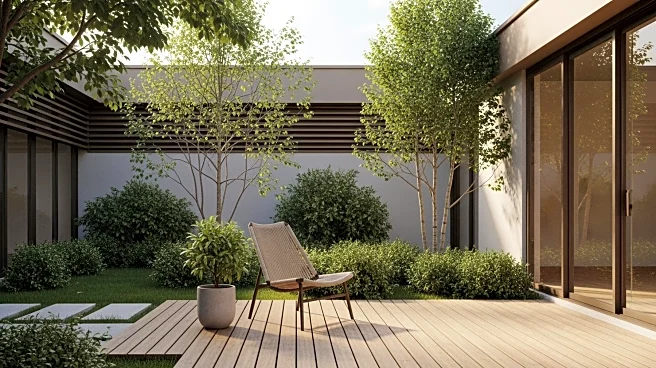
The affordable housing sector in the U.S. is experiencing significant shifts, with a growing emphasis on outdoor living spaces and sustainable design. According to a report, developments are increasingly incorporating communal outdoor areas such as patios,
rooftop spaces, and courtyards to foster social interaction among residents. This trend is partly driven by the need to adapt to post-pandemic lifestyles that favor outdoor activities. Additionally, there is a notable increase in the adoption of Passive House principles, which focus on energy efficiency and sustainability. These principles include airtight insulation, energy recovery ventilation, and high-performance windows, contributing to more comfortable living environments. The report highlights that affordable housing projects are now integrating features like passive solar designs and efficient HVAC systems to meet net-zero operational standards.
Why It's Important?
The shift towards incorporating outdoor living spaces and sustainable design in affordable housing is crucial for several reasons. Firstly, it addresses the rising demand for affordable housing amidst increasing living costs and limited federal funding. By creating communal outdoor areas, developers can enhance the quality of life for residents, promoting social interaction and community building. Secondly, the focus on sustainability through Passive House principles aligns with broader environmental goals, reducing energy consumption and greenhouse gas emissions. This approach not only benefits the environment but also lowers utility costs for residents, making housing more affordable in the long term. The integration of these trends reflects a broader industry movement towards more resilient and sustainable urban living solutions.
What's Next?
As the demand for affordable housing continues to grow, developers and policymakers are likely to further explore innovative design solutions that balance cost, sustainability, and community needs. The adoption of Passive House standards and the creation of outdoor communal spaces may become more widespread, supported by local incentives and regulations aimed at reducing environmental impact. Stakeholders in the housing sector, including architects, construction firms, and government agencies, will need to collaborate to overcome challenges related to financing and public perception. Future developments may also see increased investment in technology and materials that enhance energy efficiency and sustainability, further driving the evolution of affordable housing.