






What's Happening?
Urban mushroom farming is gaining attention as a sustainable method to address food security challenges posed by global urbanization and population growth. This approach integrates advanced technologies like the Internet of Things and artificial intelligence
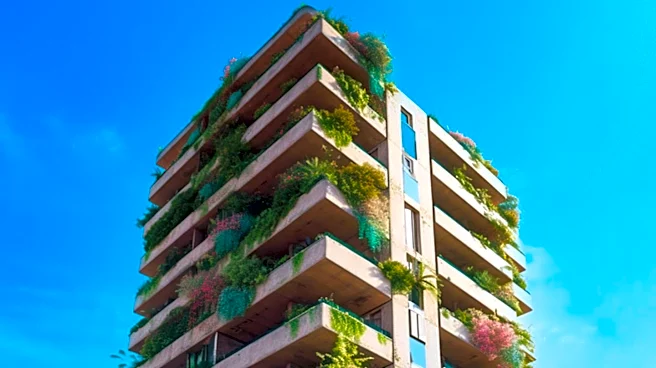
to enhance efficiency in urban farming systems, including indoor, vertical, and rooftop setups. Mushrooms and mycelium-based foods, which can be cultivated using food waste and agro-industrial residues, offer nutritional benefits such as high protein, essential amino acids, and dietary fiber. However, safety concerns like biological hazards, heavy metal accumulation, and potential allergenicity need to be addressed. Despite these challenges, urban mushroom farming presents a viable solution to meet rising food demands while reducing environmental impacts.
Why It's Important?
The significance of urban mushroom farming lies in its potential to contribute to food security in rapidly urbanizing areas. By utilizing minimal space and resources, this method can produce nutrient-rich foods while mitigating environmental impacts such as heat island effects and food transport emissions. The integration of technology in urban farming can optimize production and resource use, making it a scalable solution for cities facing land scarcity. Additionally, the use of waste materials for cultivation supports a circular economy, reducing waste and promoting sustainability. As urban populations grow, the demand for sustainable food sources like mushrooms and mycelium-based products is expected to increase, highlighting the importance of addressing safety and regulatory challenges to ensure consumer acceptance and market viability.
What's Next?
Future developments in urban mushroom farming will likely focus on overcoming safety and regulatory challenges to enhance consumer acceptance. Research is needed to explore the nutritional and medicinal properties of mycelium-based foods and to address safety concerns such as microbial contamination and heavy metal accumulation. Additionally, socio-economic aspects like market potential and community engagement require thorough assessment. The integration of high-tech systems in urban farming could further differentiate approaches in high-income countries from low-cost systems in lower-income regions, impacting scalability and sustainability. As interest in sustainable food production grows, urban mushroom farming is poised to play a crucial role in future food systems.
Beyond the Headlines
Urban mushroom farming not only addresses immediate food security concerns but also contributes to broader sustainability goals. By reducing reliance on traditional agriculture, it can help mitigate climate change impacts and promote biodiversity. The potential for mushrooms and mycelium to degrade organic waste and produce bioactive compounds offers additional environmental and health benefits. However, the success of this approach depends on addressing safety and regulatory issues, as well as fostering consumer trust and acceptance. As urban farming technologies evolve, they may redefine food production and consumption patterns, leading to long-term shifts in how cities manage food security and sustainability.