





What's Happening?
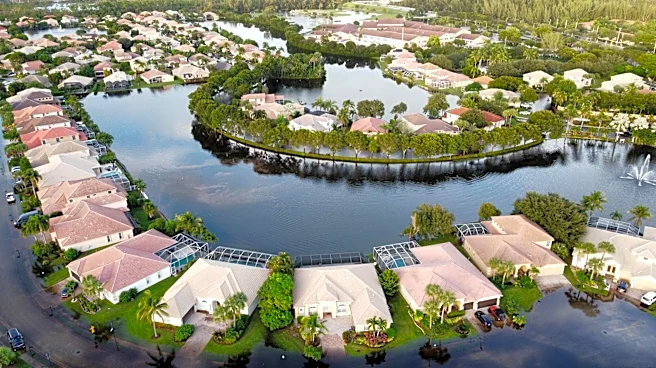
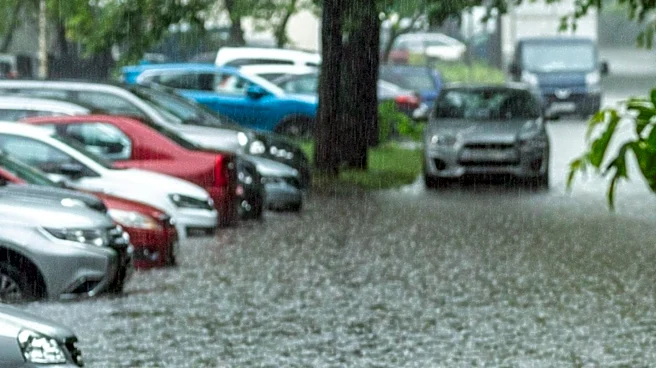
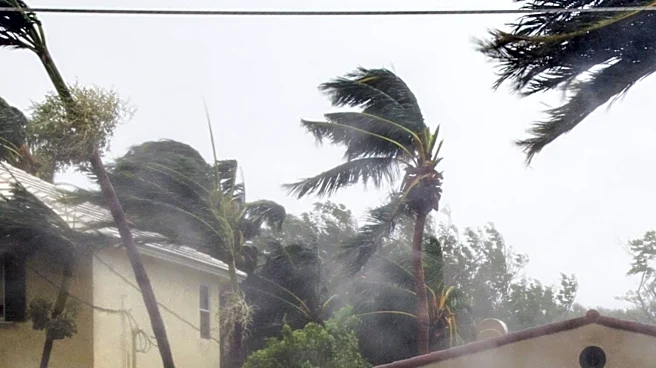
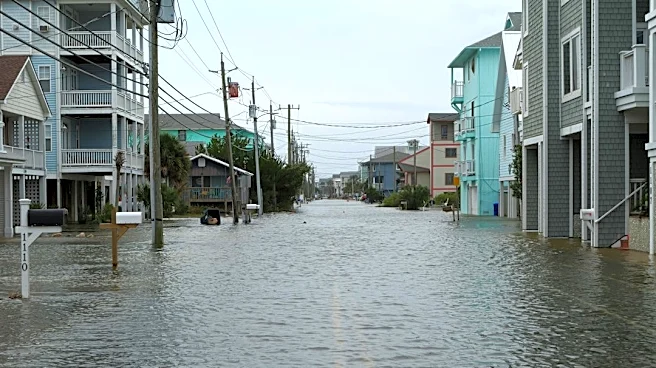
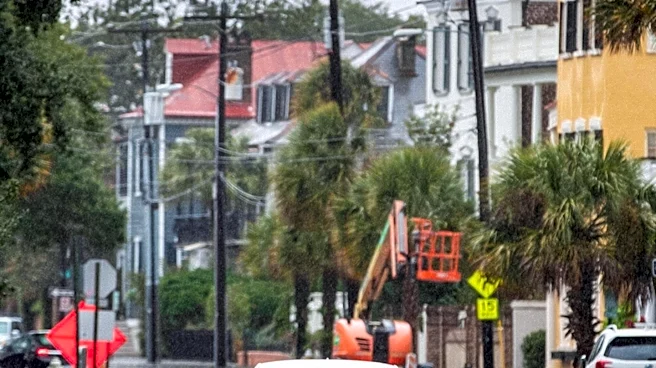
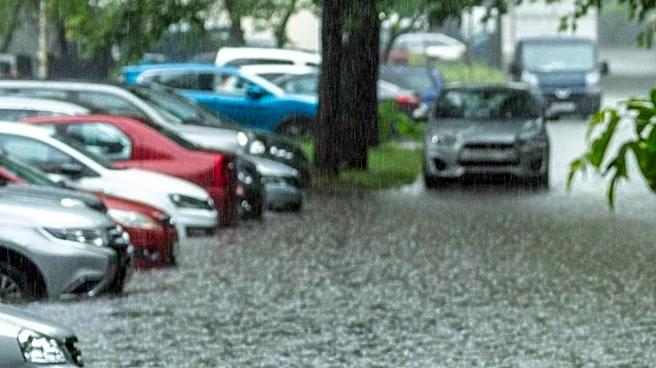
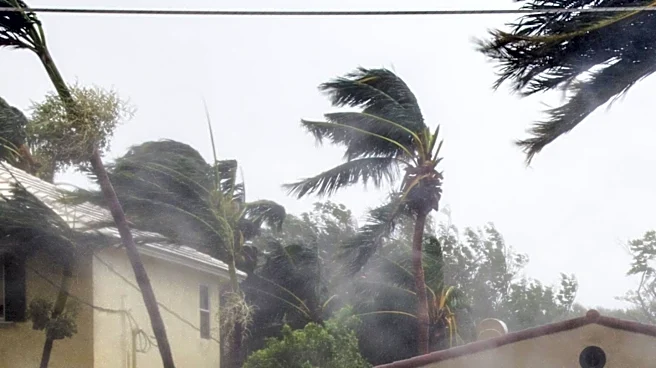
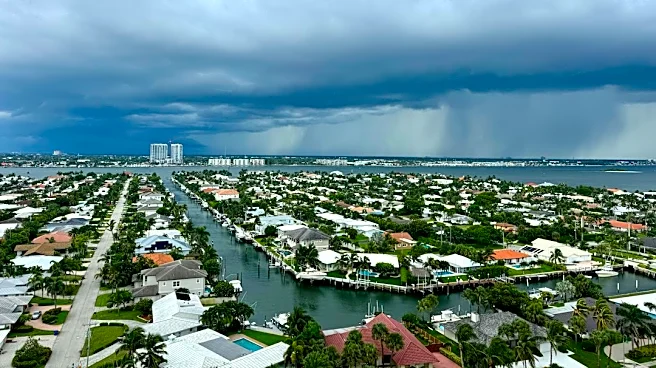
A flood watch is currently in effect for much of South Florida, encompassing Miami-Dade, Broward, and Palm Beach counties, following intense storms that delivered several inches of rain, with some areas receiving over a foot, on Tuesday and Tuesday night.
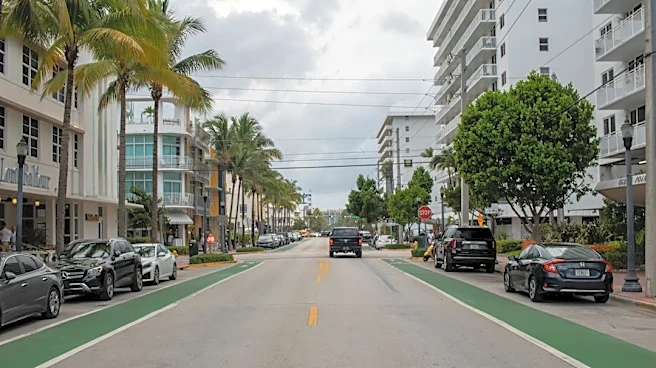
The National Weather Service has issued severe thunderstorm warnings and flash flood warnings as persistent downpours have repeatedly impacted the same neighborhoods. In Central Florida, the flood threat is expected to continue through Friday, with ongoing rounds of rain increasing the risk of localized flooding, particularly in regions that have already experienced significant rainfall. The city of Hollywood has reported major flooding on Hollywood Boulevard and its connections to Interstate 95 and the Florida Turnpike, leading to abandoned vehicles and road closures. Broward County Public Schools and several universities, including Florida Atlantic University and Keiser University, have closed campuses due to the severe weather and flooding conditions. Memorial Regional Hospital in Hollywood has also suspended visitation due to flooding affecting parts of the hospital and surrounding roadways. Aerial images have shown a partial roof collapse at Temple Sinai of Hollywood, following hours of intense rainfall in one of the hardest-hit cities.
Why It's Important?
The ongoing severe weather and widespread flooding in South Florida pose significant immediate challenges to public safety, infrastructure, and daily life. The closure of schools and universities disrupts education for thousands of students, while road closures and abandoned vehicles create hazardous travel conditions and impede emergency services. The suspension of hospital visitations and potential impact on scheduled medical procedures highlight the strain on healthcare services during such events. Economically, businesses in affected areas face operational disruptions, potential property damage, and loss of revenue. The extensive rainfall and subsequent flooding can also lead to long-term issues such as property damage, increased insurance claims, and potential public health concerns related to standing water. The repeated nature of these severe weather events underscores the vulnerability of coastal regions to extreme weather patterns and the need for robust urban planning and drainage infrastructure to mitigate future impacts.
What's Next?
The flood watch in South Florida is expected to remain in effect through Thursday evening for most of Miami-Dade, Broward, and Palm Beach counties, with a flood warning in effect for Monroe County until 10:30 a.m. The National Weather Service anticipates continued rounds of rain, which could exacerbate existing flooding, especially in low-lying areas where drainage is slow. Authorities will likely continue to monitor weather conditions closely and issue further warnings or advisories as needed. Residents are urged to shelter in place, avoid unnecessary travel, and exercise caution on flooded roads. Emergency services will remain deployed to assist residents and respond to flood-related incidents. School districts and universities will assess conditions to determine when it is safe to resume operations. Cleanup efforts will likely begin in earnest once the rain subsides, focusing on clearing debris, restoring power, and assessing structural damage to buildings and infrastructure. The City of Hollywood is already seeking volunteers to assist communities impacted by the ongoing flash flooding.
Beyond the Headlines
The persistent and intense rainfall leading to widespread flooding in South Florida highlights broader implications related to climate patterns and urban development. The region's susceptibility to such events, potentially influenced by phenomena like El Niño, raises questions about the long-term resilience of its infrastructure and communities. The economic toll, including property damage, business interruptions, and increased insurance costs, could have lasting effects on local economies. Furthermore, the repeated closures of schools and disruptions to healthcare services underscore the need for comprehensive disaster preparedness plans that account for the continuity of essential services. This event may also prompt further discussions on urban planning strategies, particularly regarding drainage systems and building codes in low-lying coastal areas, to better withstand future extreme weather events. The community's response, including volunteer efforts, demonstrates the critical role of local solidarity in mitigating the impacts of natural disasters.